Things to Do in the Azores: Whales, Lakes, Hot Springs
In this guide
- The top 12 at a glance
- 1. Whale and dolphin watching
- 2. Sete Cidades
- 3. Furnas: hot springs, fumaroles and cozido
- 4. Lagoa do Fogo
- 5. Climb Mount Pico
- 6. Pico’s vineyards
- 7. Capelinhos, Faial
- 8. Angra do Heroísmo, Terceira
- 9. Algar do Carvão, Terceira
- 10. Gorreana tea plantation
- 11. Hiking
- 12. Adventure tours
- Things to do by island
- Planning tips
- Mistakes to avoid
The Azores reward people who like being outdoors: whale watching, crater lakes, hot springs and hiking are the core of any trip, and almost all of it is on or near São Miguel. If you only do five things, make them a whale-watching trip from Ponta Delgada, the Sete Cidades crater, a day in Furnas with a thermal soak and cozido, Lagoa do Fogo, and, if you add a second island, Pico for its mountain, vineyards and whales.
Below are the best things to do, ranked by how much they define a trip, with what they cost as of November 2026 and which island they are on. Prices come from operators’ and the regional government’s own pages; confirm them before you go.
The top 12 at a glance
| # | Activity | Island | Cost (Nov 2026) | Time | Rain-proof? |
|---|---|---|---|---|---|
| 1 | Whale watching | São Miguel, Pico, Faial | ~€70 adult | Half day | No |
| 2 | Sete Cidades crater lakes | São Miguel | Free | Half to full day | No |
| 3 | Furnas hot springs, caldeiras, cozido | São Miguel | Terra Nostra €17 | Full day | Yes |
| 4 | Lagoa do Fogo | São Miguel | Free (summer shuttle fare may apply) | Half day | No |
| 5 | Climb Mount Pico | Pico | Fee for non-residents | Most of a day | No |
| 6 | Pico vineyards and wine | Pico | Free to walk; tastings vary | Half day | Partly |
| 7 | Capelinhos volcano | Faial | Free outside; centre charges | 2–3 hours | Partly |
| 8 | Angra do Heroísmo | Terceira | Free to walk | Half day | Yes |
| 9 | Algar do Carvão | Terceira | Ticket at the cave | 1 hour | Yes |
| 10 | Gorreana tea plantation | São Miguel | Free to visit | 1 hour | Yes |
| 11 | Hiking the marked trails | All islands | Mostly free | 2 hours to a day | No |
| 12 | Canyoning, kayaking, coasteering | São Miguel, Flores, São Jorge | Tour prices vary | Half day | Partly |
1. Whale and dolphin watching
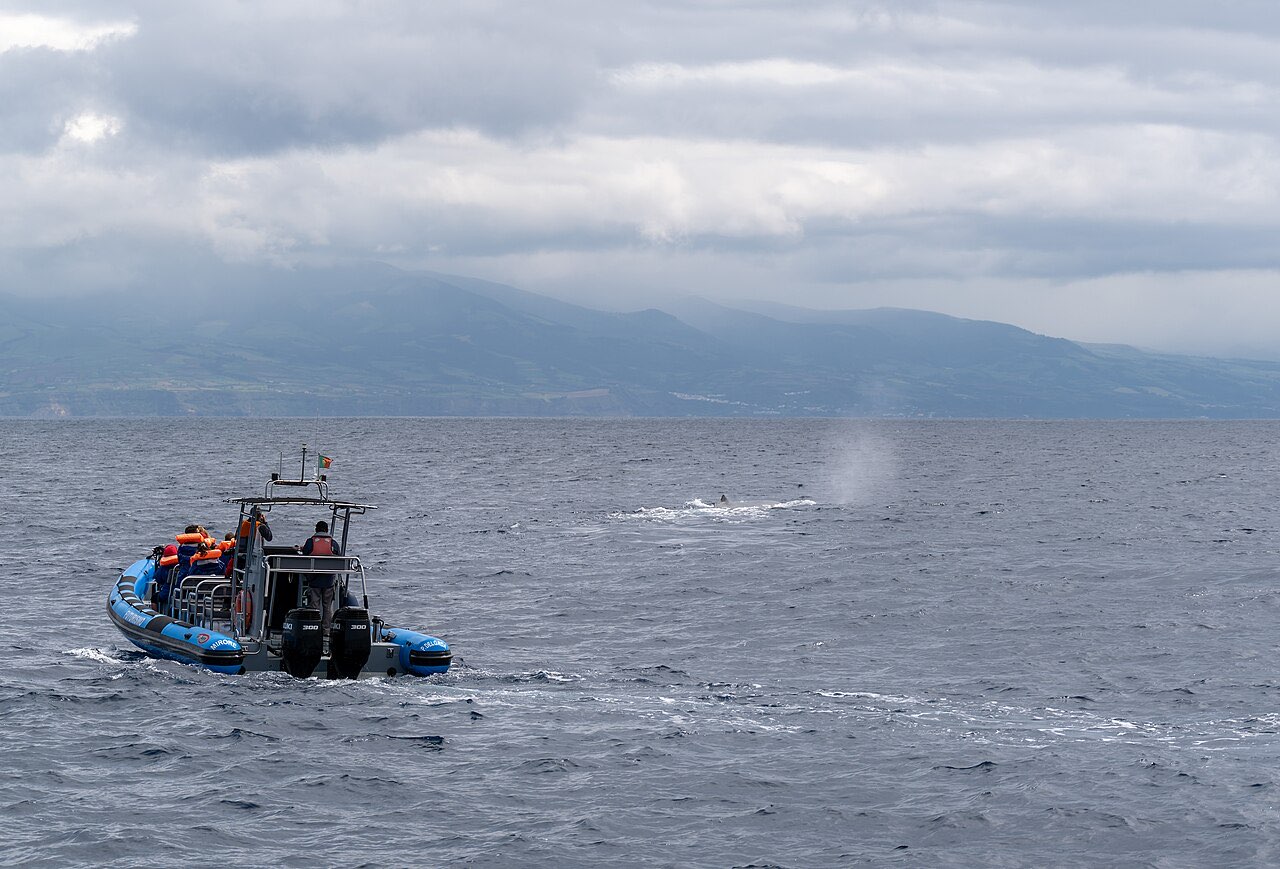
The single activity that defines the Azores. Sperm whales and common, bottlenose and Risso’s dolphins live around the islands all year; blue, fin and sei whales pass from about March to June. Trips are regulated by regional law: boats may not approach closer than 50 m and may spend no more than 30 minutes with the same animals, and swimming with whales is prohibited.
Ponta Delgada has the most departures. As of November 2026 Futurismo lists its half-day trip at €70 per adult plus a €4.20 online fee, with children 6–12 at half price. Lajes do Pico and Horta are the alternatives in the central islands. Our Azores whale watching guide covers species by month, boat types and how to pick an operator.
2. Sete Cidades
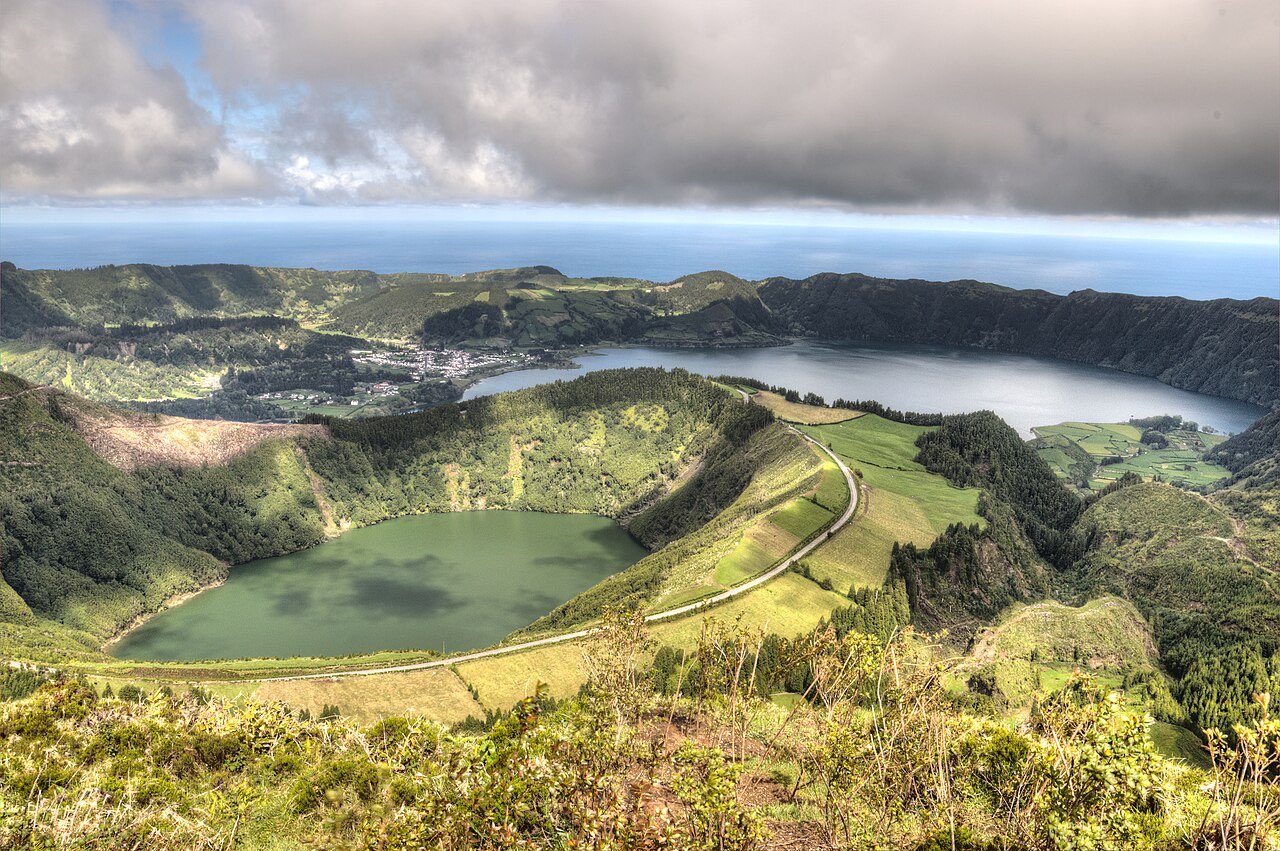
The image on every Azores poster: two lakes inside a huge crater at São Miguel’s western end, one often green and one blue, joined by a causeway bridge. See it from Vista do Rei and Boca do Inferno on the rim, then drive down to the village to walk, cycle or paddle. Kayak and paddleboard rentals at the lakes start from around €15 an hour. Go early or wait for a clear spell: cloud often fills the crater.
3. Furnas: hot springs, fumaroles and cozido
Furnas is a spa village inside a still-steaming volcanic crater on São Miguel. A full day here covers:
- Parque Terra Nostra, a historic garden with a large, iron-rich thermal pool; €17 including pool use, open 10:30 a.m. to 4:30 p.m. as of November 2026, per the park’s visitor page.
- Poça da Dona Beija, small landscaped pools at around 39 °C, open until 11 p.m.; tickets are sold online only.
- The caldeiras, boiling springs and mud pots in the village and on the lake shore.
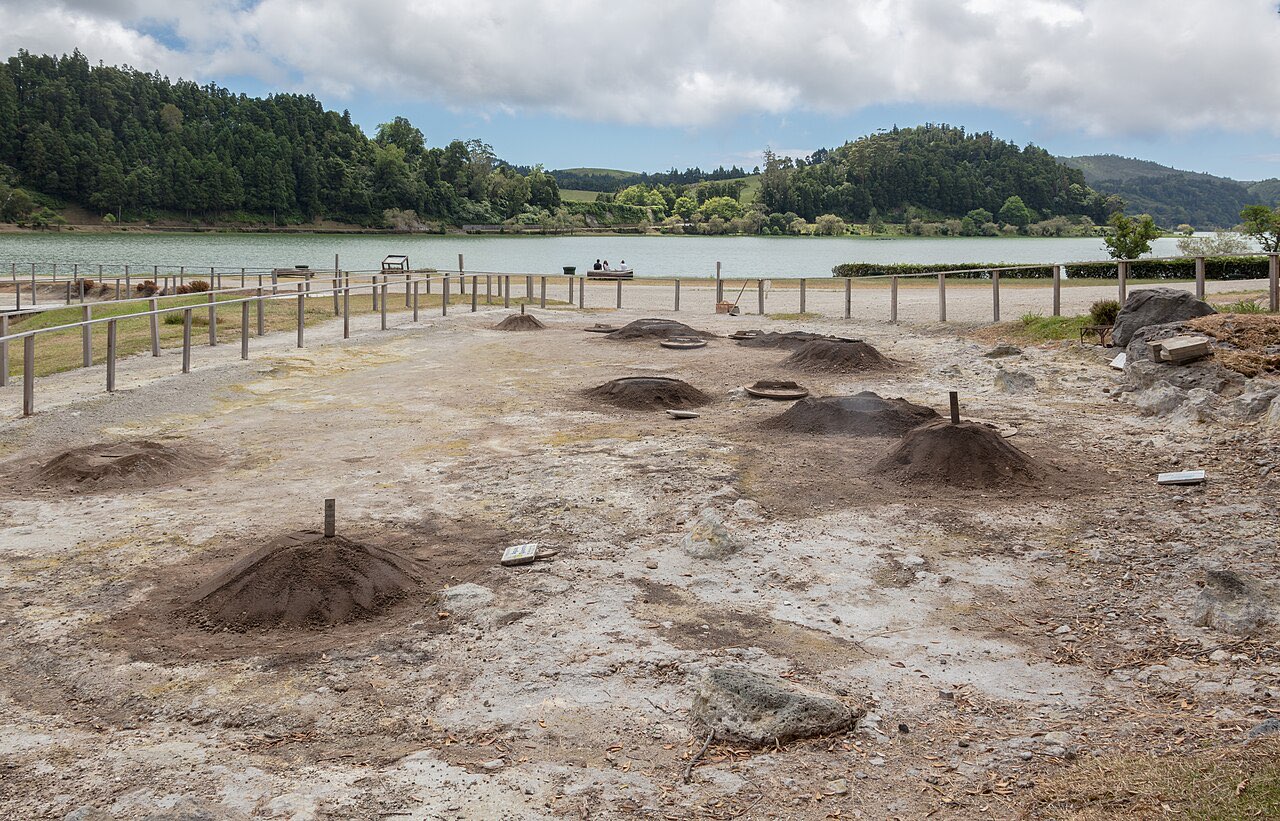
- Cozido das Furnas, stew cooked for hours in pots buried in hot ground beside Lake Furnas, then served in village restaurants.
Furnas is the best rainy-day plan on the island. Our São Miguel guide has a full day plan and where to stay.
4. Lagoa do Fogo
A wild crater lake in the middle of São Miguel, with no village or road on its shore. You see it from viewpoints on the mountain road, and a trail leads down to the beach. In summer the regional government has restricted private cars on that road and run a shuttle: in 2025 the restriction ran from 15 June to 30 September, 9 a.m. to 7 p.m. Check the current year’s rules on the Azores tourism office’s shuttle page. Combine it with Caldeira Velha, a forest walk to warm pools under a waterfall, on the north side.
5. Climb Mount Pico
At 2,351 m, Pico’s volcano is the highest mountain in Portugal, and climbing it is the big physical challenge of an Azores trip. All climbers register at the Casa da Montanha, the regional government’s mountain house partway up the slope, where they receive a GPS tracker. Non-residents pay a fee that rises with how far you go (the crater rim, the summit cone called Piquinho, or an overnight stay in the crater); residents of the Azores climb free. Check current fees and book on the official Montanha do Pico site.
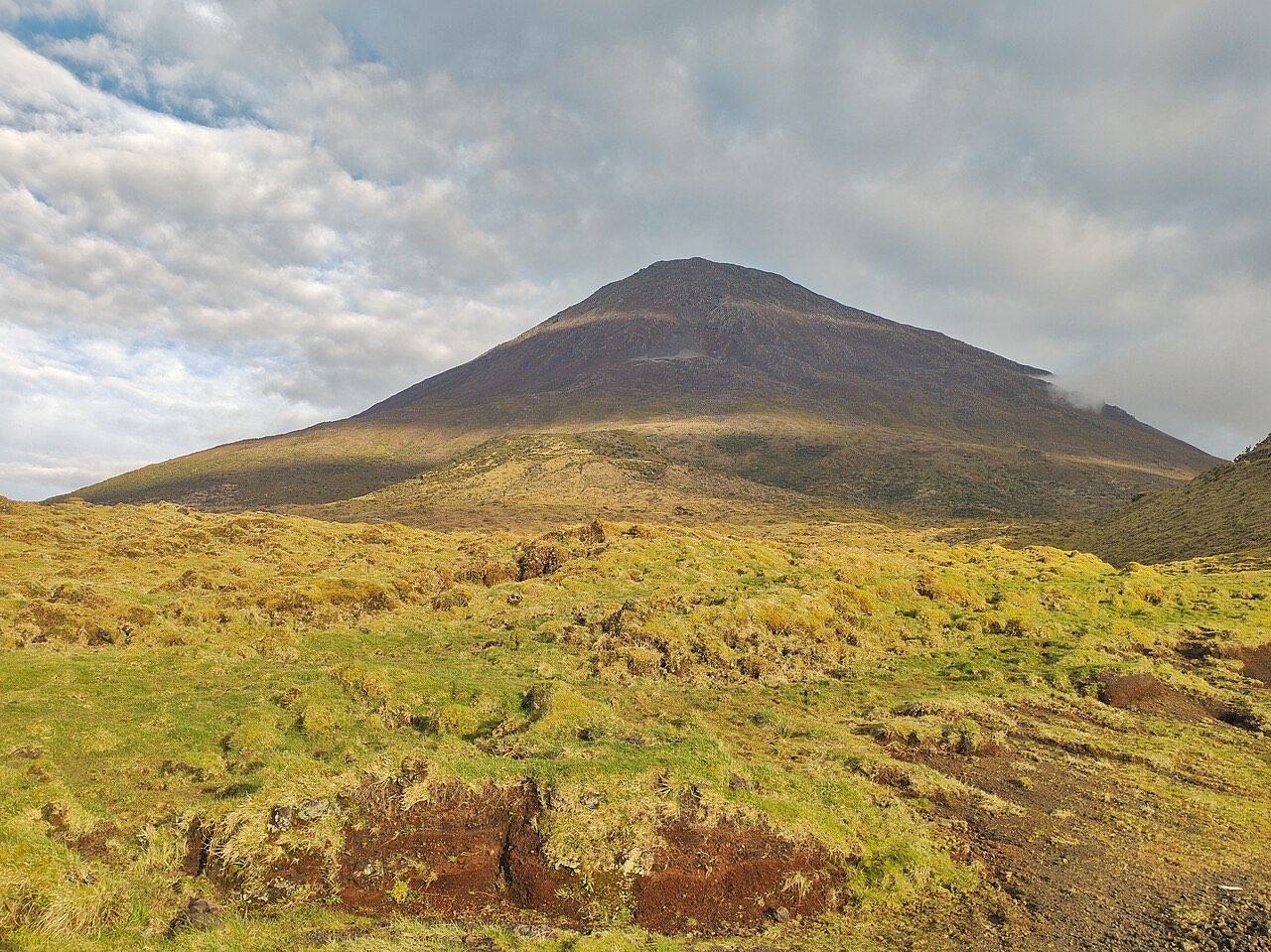
The trail is steep, loose and unshaded, and most people take most of a day for the round trip. Weather on the summit can turn quickly, and the mountain closes in bad conditions. Hiring a certified guide is sensible if you are not an experienced hiker.
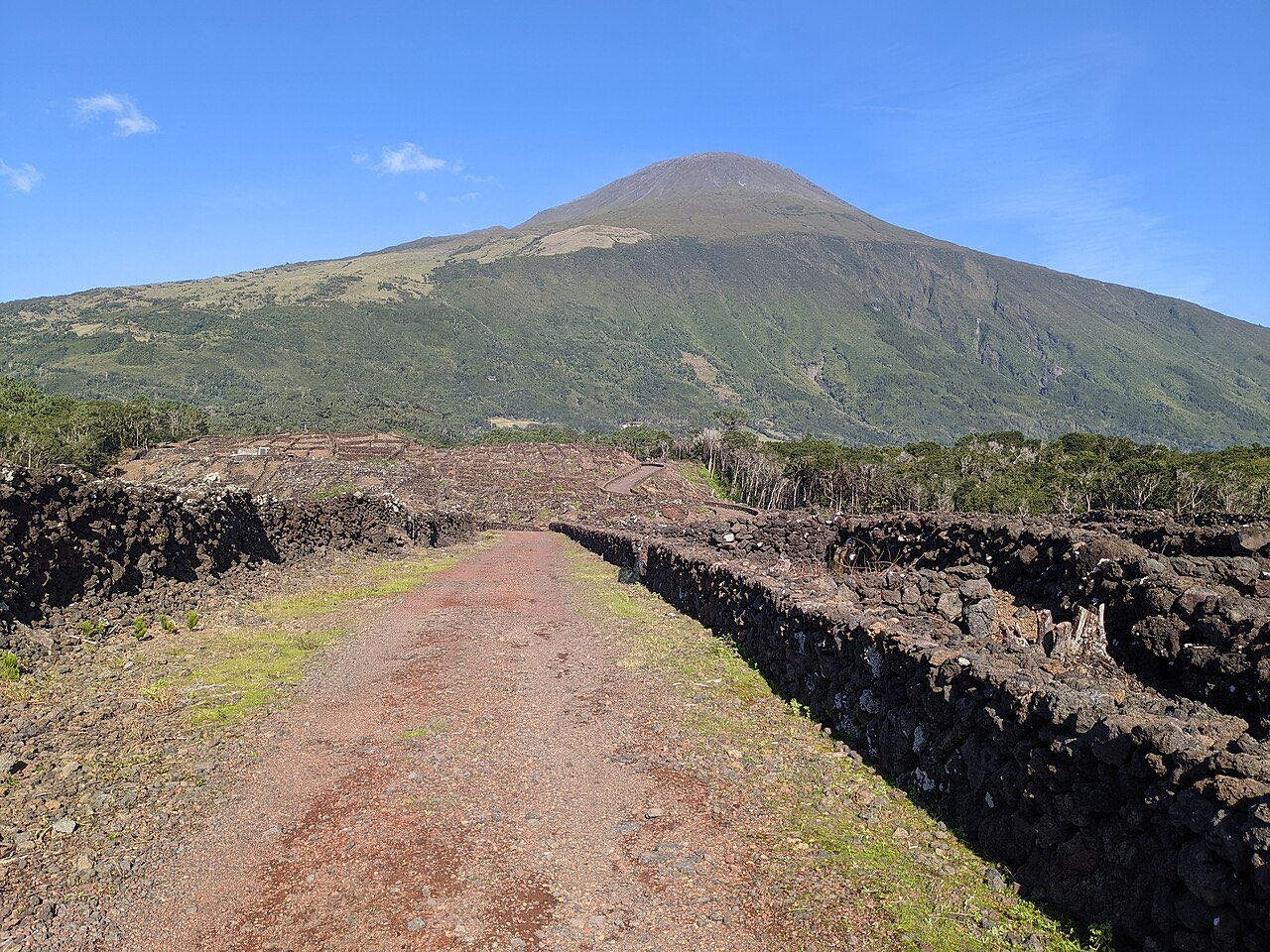
6. Pico’s vineyards
On Pico’s lava fields, vines grow inside small enclosures of black stone walls, called currais, built to shelter them from salt wind. The landscape was inscribed as a UNESCO World Heritage Site in 2004, as the Azores tourism board notes. Walk among the walls near Criação Velha and São Mateus, visit the wine museum in Madalena, and taste the local verdelho at a cooperative or a small producer.
7. Capelinhos, Faial
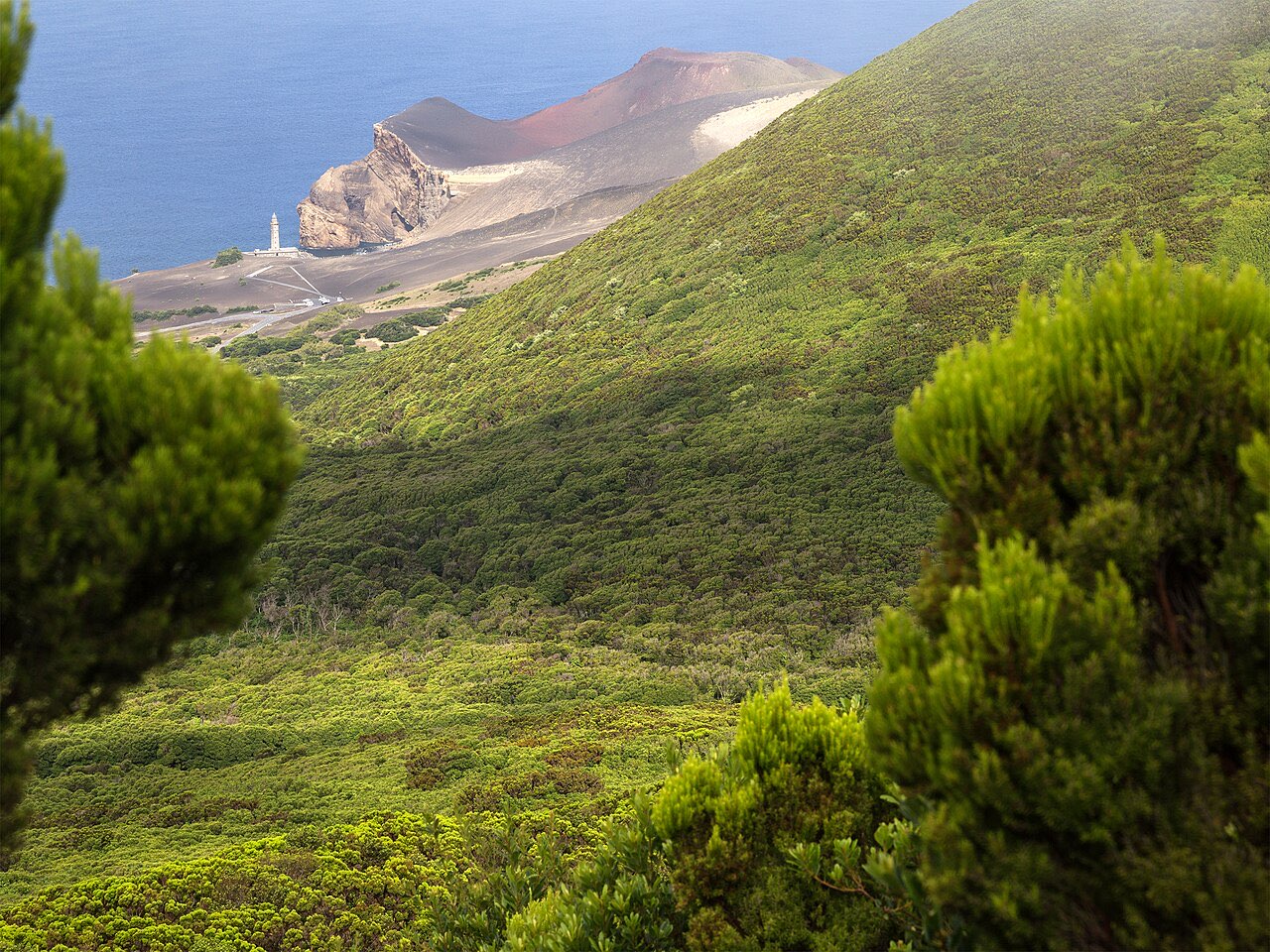
At Faial’s western tip, an eruption in 1957–58 built new land around an old lighthouse, leaving a moonscape of ash and cinder. You can walk the area freely; an interpretation centre, built partly underground, explains the eruption and charges admission. Faial’s town, Horta, is a famous stop for transatlantic sailors, who paint their boats’ names on the marina wall.
8. Angra do Heroísmo, Terceira
The Azores’ most elegant town: a grid of painted houses, churches and forts that has been a UNESCO World Heritage Site since 1983. Walk the centre, climb Monte Brasil for the view, and, if you are there in June, see the town’s big summer festival. Terceira is also famous for its Holy Spirit festivals and bull-running in the streets in summer.
9. Algar do Carvão, Terceira
One of the few places in the world where you can walk down inside an extinct volcanic vent. Run by Os Montanheiros, a caving association, it opens daily from April to September and on Tuesdays, Wednesdays, Fridays and Saturdays from October to March, according to its FAQ. Tickets are sold only at the site, and under-12s go free with a paying adult. It has had closures for building work, so check the association’s site for the current status before you go.
10. Gorreana tea plantation
On São Miguel’s north coast, Gorreana says it has grown tea since 1883 and calls itself Europe’s oldest tea plantation. Walk the rows of bushes, look into the factory and taste the teas. A good stop between Lagoa do Fogo and Furnas.
11. Hiking
Every island has marked trails, from short crater-rim walks to multi-day routes. The official network, with maps, difficulty ratings and closure alerts, is on the regional Azores Trails site. Highlights include the Sete Cidades crater rim, the descent to Lagoa do Fogo, the fajãs (coastal flats) of São Jorge and the waterfall trails of Flores. Check for trail closures after storms, wear proper boots, and expect mud.
12. Adventure tours
Canyoning in the stream gorges of São Miguel and Flores, coasteering, sea kayaking and stand-up paddling on the crater lakes are all offered by licensed local operators. These are guided activities only: do not attempt canyoning routes on your own.
Things to do by island
| Island | Best for | Don’t miss |
|---|---|---|
| São Miguel | First visits, variety | Sete Cidades, Furnas, Lagoa do Fogo, whales |
| Pico | Climbing, wine, whales | Mount Pico, vineyard walls, Lajes do Pico |
| Faial | Sailing culture, volcano | Horta marina, Capelinhos, the caldeira |
| Terceira | History, festivals, caves | Angra do Heroísmo, Algar do Carvão |
| São Jorge | Coastal hiking, cheese | The fajãs, cliff walks |
| Flores and Corvo | Waterfalls, remoteness | Rocha dos Bordões, crater lakes, Corvo’s caldeira |
| Santa Maria and Graciosa | Quiet, beaches (Santa Maria) | Sandy bays, small villages |
Most first-time visitors pair São Miguel with Pico and Faial, which are linked by a short ferry. Our 7-day Azores itinerary lays out that route day by day.
Planning tips
Book whale watching and Pico early in your trip. Both depend on weather; leave spare days.
Rent a car. Public transport works for towns but not for viewpoints and trailheads.
Plan around clouds, not the calendar. Keep crater viewpoints flexible and move hot springs, tea and museums to cloudy days.
Pick your season. Spring for big whales, summer for calm seas and hydrangeas, autumn for warm water and fewer people. See our best time to visit the Azores guide.
Mistakes to avoid
Trying to see too many islands. Two islands in a week is plenty; each inter-island hop costs half a day.
Climbing Pico without checking the forecast or registering. Registration and a tracker are required, and the summit weather is serious.
Visiting Sete Cidades in a whiteout. Check before you drive.
Wearing your best swimwear in Terra Nostra. The iron-rich water stains.
Assuming everything is free because it is nature. Many hot springs, the Pico climb, caves and some trails charge fees.
Prices and opening hours in this guide come from operators’ and the regional government’s own pages, read in November 2026. They change, so confirm on the official page before you go.
Frequently asked questions
What is the number one thing to do in the Azores?
Whale watching. Sperm whales and several dolphin species live around the islands all year, and blue and fin whales pass in spring. As of November 2026 a half-day trip from Ponta Delgada with Futurismo costs €70 per adult plus a €4.20 online fee. Book it for early in your stay in case the sea is too rough.
Which Azores island has the most to do?
São Miguel. It has the most famous crater lakes (Sete Cidades and Lagoa do Fogo), the Furnas hot springs, tea plantations, the most whale-watching departures and the most flights. Pico and Faial, a short ferry ride apart, are the best second stop for climbing, wine and whales.
Can you climb Mount Pico?
Yes, with registration at the Casa da Montanha, the regional government's mountain house on Pico, where climbers check in, receive a GPS tracker and pay a fee if they are not Azores residents. Fees depend on how high you go; check the official booking page for current prices. The climb is steep and long, and weather closes the mountain on some days.
Are the hot springs in the Azores free?
Some are, most are not. Terra Nostra in Furnas costs €17 as of November 2026, and Poça da Dona Beija sells tickets online only. Ponta da Ferraria, a sea pool warmed by a hot spring at the western tip of São Miguel, is a free natural spot, best at low tide in calm weather.
What can you do in the Azores when it rains?
Soak in a hot spring (Terra Nostra or Poça da Dona Beija), visit the Gorreana tea factory, watch cozido come out of the ground at Lake Furnas, explore Ponta Delgada's churches and markets, or, on Terceira, go underground at the Algar do Carvão volcanic chimney. Crater viewpoints are pointless in cloud, so save them for clear spells.
Book an activity
Booked through GetYourGuide. We earn a commission if you book, at no extra cost to you — it never changes which option we recommend. How we work
Keep planning
- Azores in 7 Days: São Miguel Plus One More Island
A 7-day Azores itinerary: four days on São Miguel plus Pico and Faial, with inter-island flights and ferries, a weather buffer and the mistakes to avoid.
Updated Nov 2026 - Best Time to Visit the Azores: Weather Month by Month
Best time to visit the Azores: IPMA temperature and rainfall for every month, plus whale and hydrangea seasons, festivals and crowds.
Updated Nov 2026 - Azores Whale Watching: Seasons, Species and Tour Tips
Azores whale watching explained: which whales you can see each month, what the regional rules allow, typical tour prices, and how to choose a boat and an island.
Updated Nov 2026