Azores Whale Watching: Seasons, Species and Tour Tips
In this guide
Whale watching is the one activity almost every Azores visitor books, and for good reason: sperm whales and several dolphin species live around the islands all year, so there is no bad month to go out. If seeing a blue or fin whale is the goal, plan for April or May, when the big baleen whales pass through on migration. Budget about €70 (roughly US$80) per adult for a half-day trip from Ponta Delgada as of November 2026, book it for the first or second day of your stay so bad weather does not wipe it out, and choose between a fast zodiac and a slower, steadier catamaran depending on your stomach and your company.
This guide covers what you can see by season, how the regional rules shape a trip, how to pick an operator and boat, and the mistakes that cost people their sighting.
What you can see, and when
Operators and scientists count more than 20 cetacean species in Azorean waters; Futurismo, which runs boats from both São Miguel and Pico, puts the figure at up to 28. They do not all turn up equally. What matters for planning is the split between residents and migrants.
| Species | Status around the Azores | Best months | How often seen |
|---|---|---|---|
| Sperm whale | Resident, present all year | Any month; summer is strongest | Often |
| Common dolphin | Resident | All year | Very often |
| Bottlenose dolphin | Resident | All year | Often |
| Risso’s dolphin | Resident | All year | Often |
| Blue, fin and sei whales | Migrating baleen whales | About March to June; April and May peak | Seasonal |
| Humpback and minke whales | Occasional visitors | Mostly spring | Less common |
| Atlantic spotted and striped dolphins, pilot whales | Summer visitors | July to September | Seasonal |
| Orcas, false killer whales, beaked whales | Rare encounters | Unpredictable | Rare |
The resident and seasonal pattern comes from Futurismo’s own published sighting calendar. Treat the months as tendencies, not timetables: the baleen-whale season can start early or run into summer, and Futurismo notes that sei whales now sometimes appear after the summer too.
Spring (March to June)
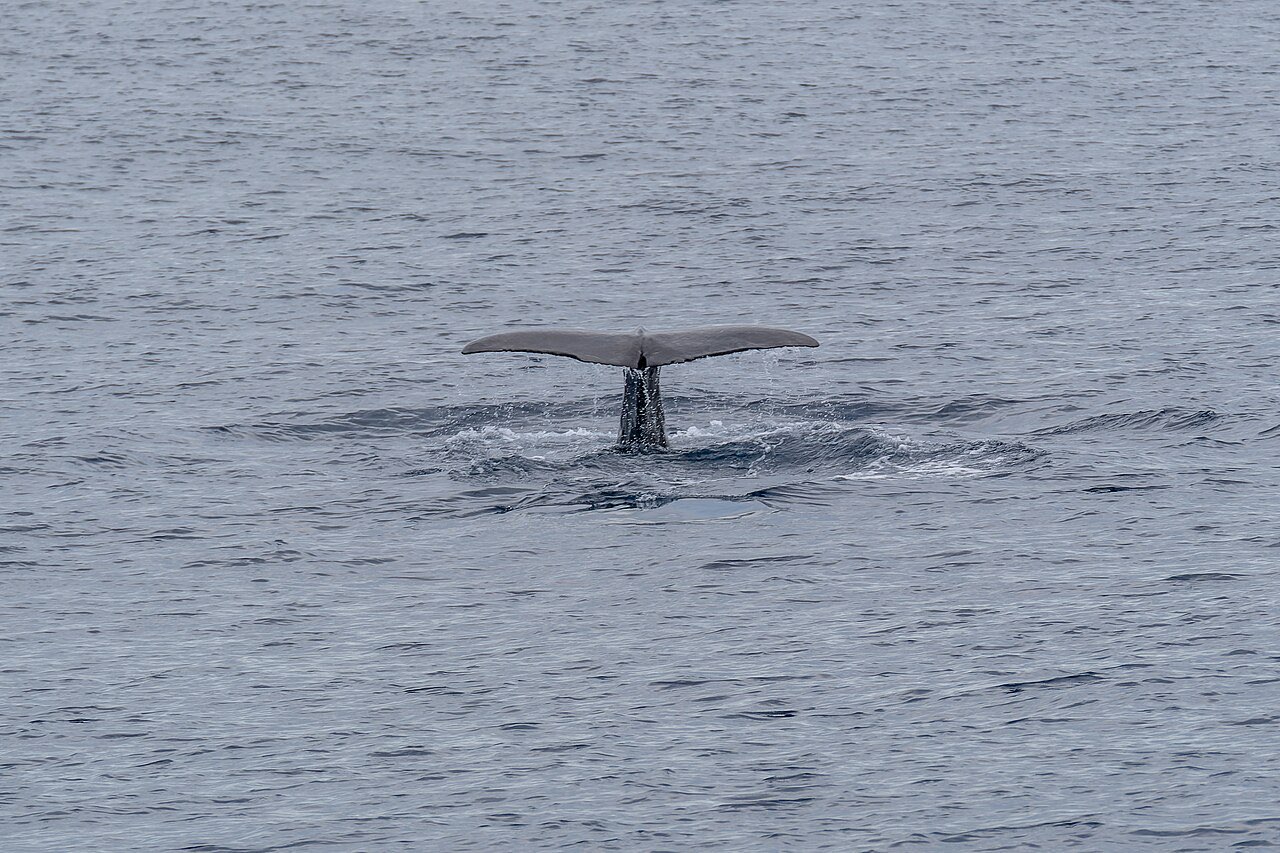
This is the season for size. Blue, fin and sei whales move north past the islands toward their summer feeding grounds and stop to feed for a few days. They rarely breach the way humpbacks do; what you see is a tall blow, a long back and, if you are lucky, a fluke. Seas are livelier than in summer, and some trips are cancelled for weather, so build in spare days.
Summer (July to September)
The calmest seas and the most departures. Sperm whales are seen most consistently, and the summer dolphin species arrive, often in large groups with calves. This is the easiest season for families and for anyone who gets seasick, but it is also the busiest, so book a few days ahead.
Autumn and winter (October to February)
Boats still go out, on fewer days. Sperm whales and resident dolphins remain, the boats are quieter, and prices do not change much, but more trips are cancelled because of swell. If your trip falls in this window, book whale watching for your first full day and treat it as a bonus rather than the centrepiece. Our best time to visit the Azores guide shows the month-by-month weather.
The rules: what a trip can and cannot do
Whale watching in the Azores is regulated by regional law. The original whale-watching decree, Regional Legislative Decree 9/99/A, since amended, sets the core limits that licensed operators follow:
- The approach zone starts at 500 m from the nearest animal, and boats must slow down as they close in: under 10 knots, then under 4 knots inside 400 m.
- No boat may go closer than 50 m to any whale or dolphin, unless the animals approach the boat themselves.
- 30 minutes maximum inside the approach zone, shared between all boats watching the same animals.
- No more than three boats within 300 m of the same animal or group, and only one at a time at the closest distance.
- No swimming with whales. Dolphin swims are allowed only under strict limits: two swimmers at most, within 50 m of the boat, for no more than 15 minutes, and no touching.
- No feeding, no chasing, no reversing except in emergencies, no approaching resting animals, and no night trips except for science.
Futurismo’s published code of conduct adds a 100 m buffer around mothers with calves. In practice, this means your boat will hang back, cut its engine and wait, and the encounter will end on the clock, not when you have your photo. That is the system working, and it is one reason the animals stay relaxed enough to watch.
Dolphin swims. The law allows them, but they are a welfare debate. Futurismo lists “ceased swimming with dolphins” among its commitments. If an operator still sells them, ask how it limits disturbance; if you would rather not, a watching trip shows you the same animals.
Where to go: São Miguel, Pico or Faial
| Departure | Strengths | Trade-offs | Best for |
|---|---|---|---|
| Ponta Delgada, São Miguel | Most operators and departures, easy from any São Miguel hotel | Busiest marina; longer runs to deep water on some days | First-time visitors, short trips |
| Vila Franca do Campo, São Miguel | Smaller harbour on the south coast; some trips combine the islet | Fewer departures | People staying in the south or east |
| Lajes do Pico, Pico | Whaling heritage, cliff lookouts, deep water close to shore | Fewer flights to Pico; smaller operators | Whale-focused trips, return visitors |
| Horta, Faial | Combine with Pico by ferry; good sailing town | Fewer departures than Ponta Delgada | Island-hoppers in the central group |
On every island the system is the same: a vigia (lookout), an old whaling tradition, sits high on the cliffs with powerful binoculars and radios positions to the boats. Espaço Talassa in Lajes do Pico describes running its boats from the Vigia da Queimada, with at least two lookouts guiding no more than three boats. That spotting system is why operators can quote high sighting rates.
Most visitors combine whale watching with the rest of São Miguel; our São Miguel guide covers where to stay. If you are adding a second island, the 7-day Azores itinerary shows how Pico and Faial fit.
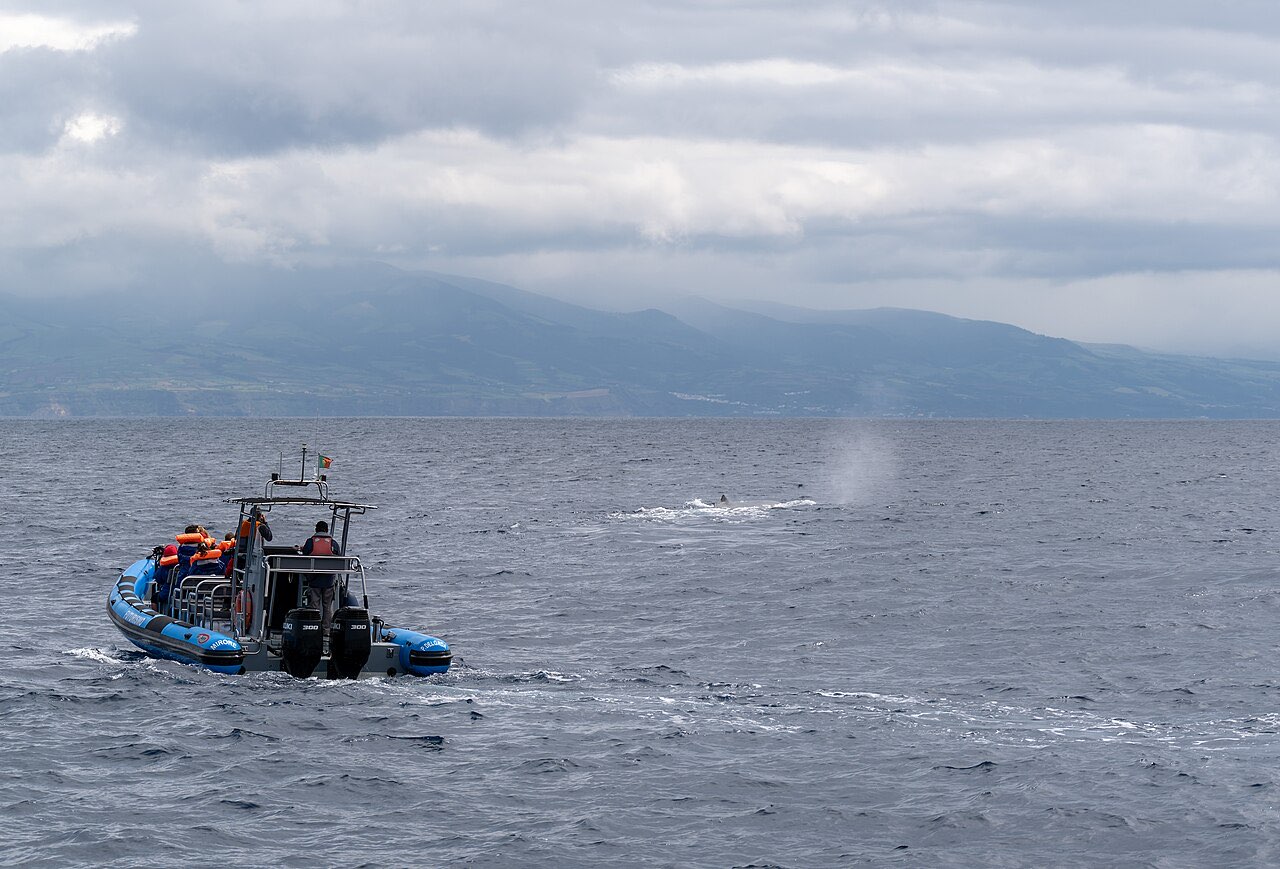
Zodiac or catamaran?
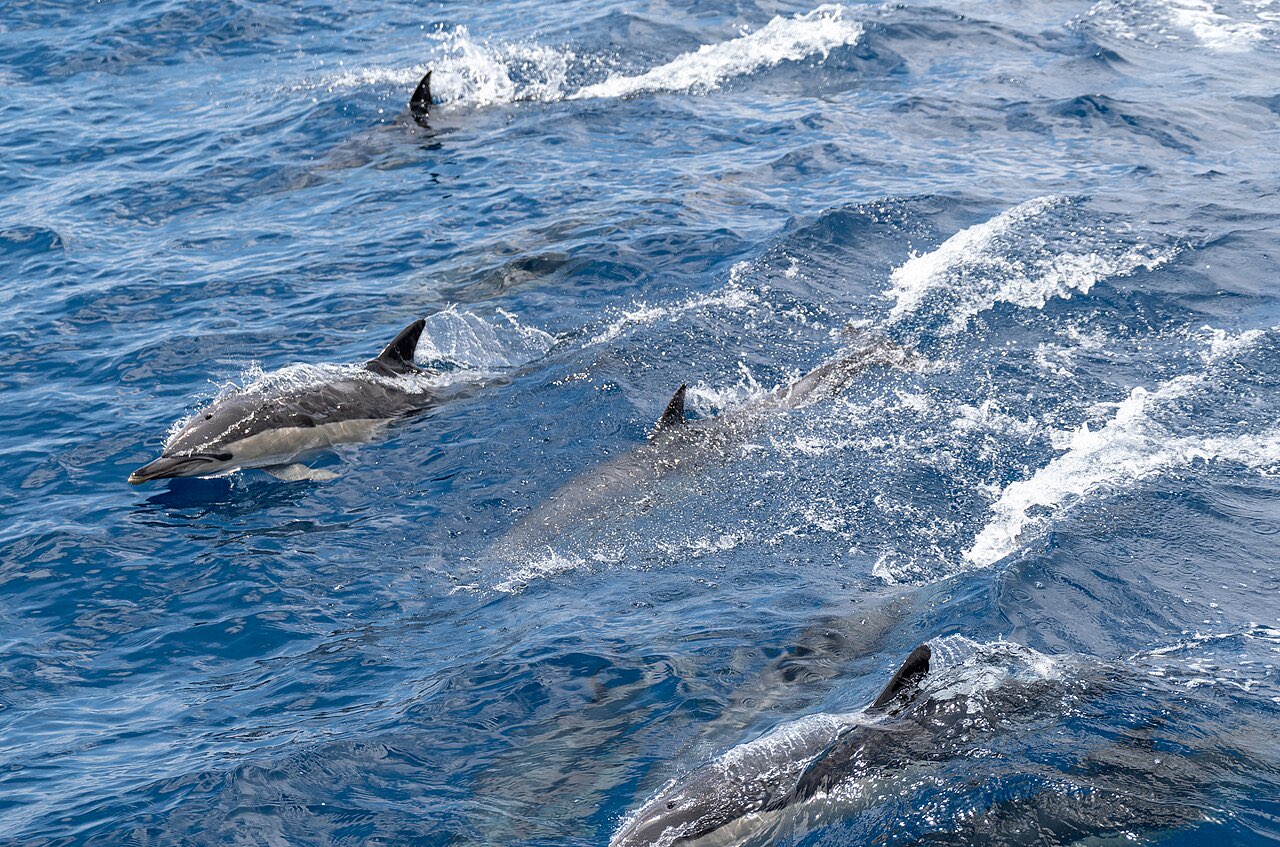
Most operators run two kinds of boat, and the choice matters more than the operator.
| Zodiac (rigid inflatable) | Catamaran / larger boat | |
|---|---|---|
| Ride | Fast, bumpy, wet in a swell | Slower, steadier |
| View | Low, close to the water | Higher, wider view |
| Toilet on board | No | Usually yes |
| Age limits | Futurismo sets a minimum age of 6 | Usually suitable for young children |
| Best for | Adults who want speed and closeness | Families, older travellers, anyone prone to seasickness |
Futurismo, for example, recommends its catamarans for babies, children, people with reduced mobility, and anyone who wants a more comfortable ride, and says it does not recommend its trips for people with back problems or for pregnant women. Ask the operator which boat your departure uses before you pay.
What a trip costs
As of November 2026, Futurismo lists its Ponta Delgada half-day trip at €70 per adult plus a €4.20 online fee. Its booking terms show children aged 6 to 12 at 50% off and under-6s free (on the boats that take them), free cancellation up to 48 hours before departure, 50% charged for cancellations within 24 hours and the full fare for no-shows. If the weather cancels a trip, it offers another date or a full refund, and it promises another departure if you see no cetaceans.
Other operators in Ponta Delgada, Vila Franca do Campo, Lajes do Pico and Horta price in a similar range, with combination trips (whales plus the Vila Franca islet, or whales plus a dolphin swim) costing more. Prices and terms change, so check the operator’s own booking page rather than an old blog or reseller listing. If you would rather compare several São Miguel trips in one place, the tour listings on this page show current options.
How to choose an operator
A short checklist:
- Licensed and local. Every boat in the Azores needs a regional whale-watching licence. Book directly with an established operator or through a reputable platform that names the operator.
- Lookout system. Ask whether they work with a vigia. Almost all serious operators do.
- Marine biologist or trained guide on board. It changes the trip from “there is a whale” to understanding what the animal is doing.
- Boat type and group size. See the table above.
- Clear repeat and refund policy. “Free repeat if no sightings” is common; get it in writing.
- Conduct. If a skipper chases animals, crowds them or ignores the time limit, that breaks the rules above. You can report it to the regional authorities.
Practical tips
- Book for early in your stay. Weather cancellations are common outside summer. Booking on day one or two gives you room to rebook.
- Morning or afternoon? Both work; mornings are often calmer. The lookouts work all day.
- Seasickness. Take tablets before you board if you are prone to it. Futurismo states that it sells nothing on board, medication included.
- Dress in layers. Even in August it is windy and spray-soaked on a zodiac. A waterproof jacket, hat, sunscreen and sunglasses all earn their place. Bring water and a snack.
- Camera. A zoom of 200 mm or more helps, but the 50 m rule means a phone will catch blows, backs and dolphins alongside the boat.
- Expect waiting. Sperm whales feed in deep water and can stay down for a long time between surfacings. Good operators use that time to look for something else rather than wait on one spot.
Mistakes to avoid
Saving whale watching for your last day. If the sea is rough, you will miss it entirely.
Choosing a zodiac with small children or a bad back. Take the catamaran.
Expecting breaching blue whales. Blue and fin whales are huge but undemonstrative. Breaches are more likely from humpbacks and dolphins.
Booking through an unnamed reseller. You may not know which boat, which operator or which cancellation terms you have.
Assuming spring is the only season. Sperm whales and dolphins are there all year, and summer seas are far kinder.
Combine it with the rest of your trip
A half-day trip leaves the afternoon free. From Ponta Delgada, pair it with the city and a short drive to the Lagoa do Fogo viewpoint, or with Furnas the next day; our things to do in the Azores guide ranks the rest. Rules and species information here come from the regional whale-watching decree and from operators’ own published pages, read in November 2026. Confirm prices and departure times with the operator before you go.
Frequently asked questions
What is the best month for whale watching in the Azores?
April and May give you the best chance of the big migrating baleen whales: blue, fin and sei whales pass the islands from roughly March to June. Sperm whales and several dolphin species live around the Azores all year, so a trip in any month has a good chance of sightings. Summer (July to September) brings calmer seas, more dolphin species and the most departures.
How much does a whale watching tour cost in the Azores?
As of November 2026, Futurismo, one of the largest operators in Ponta Delgada, lists its half-day trip at €70 per adult (about US$80) plus a €4.20 online booking fee, with children aged 6 to 12 at half price. Other operators price in a similar range. Confirm the current fare on the operator's own site before you book.
Can you swim with whales in the Azores?
No. The regional whale-watching law prohibits swimming with whales. Licensed operators may run dolphin swims under strict limits (no more than two swimmers in the water at a time, up to 15 minutes, no touching), but several operators, including Futurismo, have stopped offering them for welfare reasons.
Is whale watching better on São Miguel or Pico?
Both are good. São Miguel has the most operators and departures, and is where most visitors stay. Pico, especially Lajes do Pico, has the deep-water whaling history, lookouts on the cliffs and fewer boats. If you are only visiting one island, go from Ponta Delgada; if you are already on Pico or Faial, book there.
What happens if the tour is cancelled or you see nothing?
Operators cancel when the sea is too rough and normally offer another date or a refund. Many, including Futurismo, also offer a free repeat trip if you see no whales or dolphins. Book early in your stay so you have spare days if the weather turns.
Book an activity
Booked through GetYourGuide. We earn a commission if you book, at no extra cost to you — it never changes which option we recommend. How we work
Keep planning
- Azores in 7 Days: São Miguel Plus One More Island
A 7-day Azores itinerary: four days on São Miguel plus Pico and Faial, with inter-island flights and ferries, a weather buffer and the mistakes to avoid.
Updated Nov 2026 - Best Time to Visit the Azores: Weather Month by Month
Best time to visit the Azores: IPMA temperature and rainfall for every month, plus whale and hydrangea seasons, festivals and crowds.
Updated Nov 2026 - São Miguel Azores Guide: Where to Stay and What to See
São Miguel guide: where to stay, Sete Cidades, Lagoa do Fogo, Furnas hot springs and tea, with November 2026 prices and how many days to plan.
Updated Nov 2026