Azores in 7 Days: São Miguel Plus One More Island
In this guide
The best way to spend a week in the Azores is four days on São Miguel and three on Pico and Faial. São Miguel gives you the crater lakes, hot springs and the most whale-watching departures; Pico and Faial add a mountain, vineyards, a second shot at whales and the sailing port of Horta, and a half-hour ferry joins them. You fly between São Miguel and the central islands with SATA Air Açores, typically under an hour in the air. Do not try to fit a third island in: weather cancels flights and boats often enough that a spare half-day is worth more than another stamp.
Below is the day-by-day plan, how to book the flights and ferries, an alternative route via Terceira, and the mistakes that most often break Azores itineraries.
The plan at a glance
| Day | Base | Plan | Notes |
|---|---|---|---|
| 1 | Ponta Delgada | Arrive, old town, waterfront | Pick up rental car |
| 2 | Ponta Delgada | Whale watching; afternoon Lagoa do Fogo | Book the boat for early in the trip |
| 3 | Ponta Delgada | Sete Cidades and the west | Go early for clear views |
| 4 | Furnas or Ponta Delgada | Furnas: cozido, caldeiras, hot springs | Overnight in Furnas if you can |
| 5 | Pico (Madalena) | Fly to Pico; vineyards; Lajes do Pico | Rent car on Pico |
| 6 | Pico | Climb Mount Pico, or whales from Lajes | Weather decides the order |
| 7 | Faial (Horta) | Ferry to Horta; Capelinhos; caldeira | Fly home from Horta or back via Ponta Delgada |
If your international flight leaves from Ponta Delgada, swap days so you finish on São Miguel: do Pico and Faial on days 2–4 and São Miguel on days 5–7. Ending on the island with your outbound flight protects you from a cancelled inter-island hop.
Days 1–4: São Miguel
Day 1: Arrive in Ponta Delgada
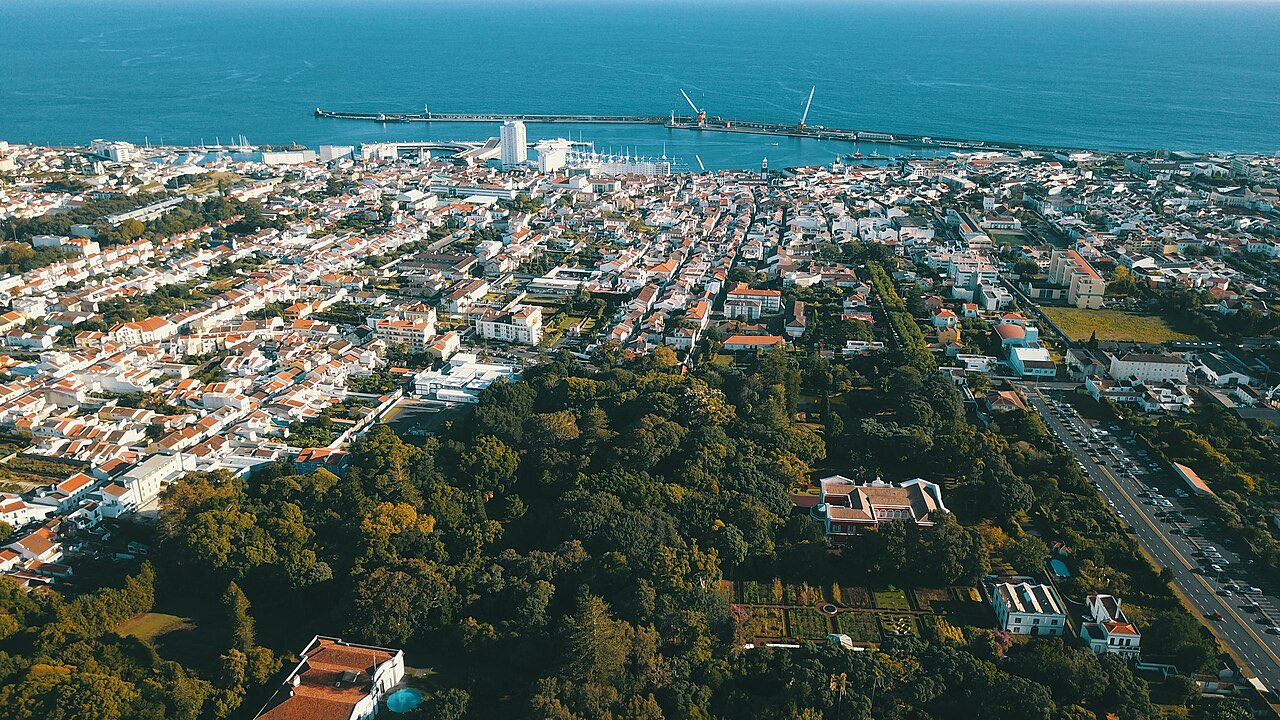
Most international flights land at Ponta Delgada. Collect your car, check in and spend the rest of the day in the city: the Portas da Cidade gates, the churches and the waterfront. Keep the first day light; if a flight is delayed you lose nothing.
Day 2: Whale watching and Lagoa do Fogo
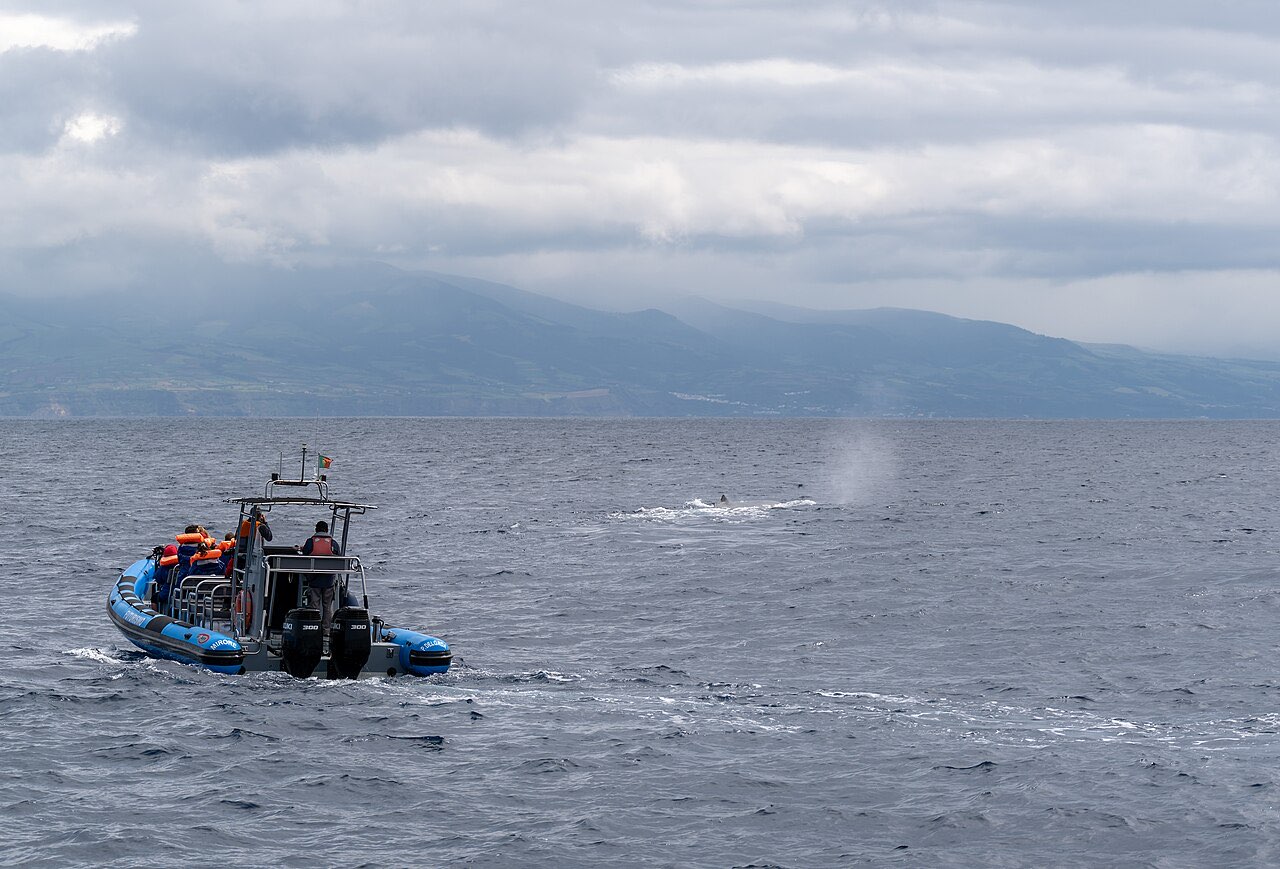
Book whale watching for the first full day so you can rebook if the sea is rough. As of November 2026 Futurismo lists its half-day trip at €70 per adult (about US$80) plus a €4.20 online fee. In the afternoon, drive up to the Lagoa do Fogo viewpoints. In summer, check the access rules first: in 2025 private cars were restricted on that road from 15 June to 30 September, 9 a.m. to 7 p.m., with a shuttle instead. Finish at Caldeira Velha’s warm waterfall pools on the north side.
Day 3: Sete Cidades and the west
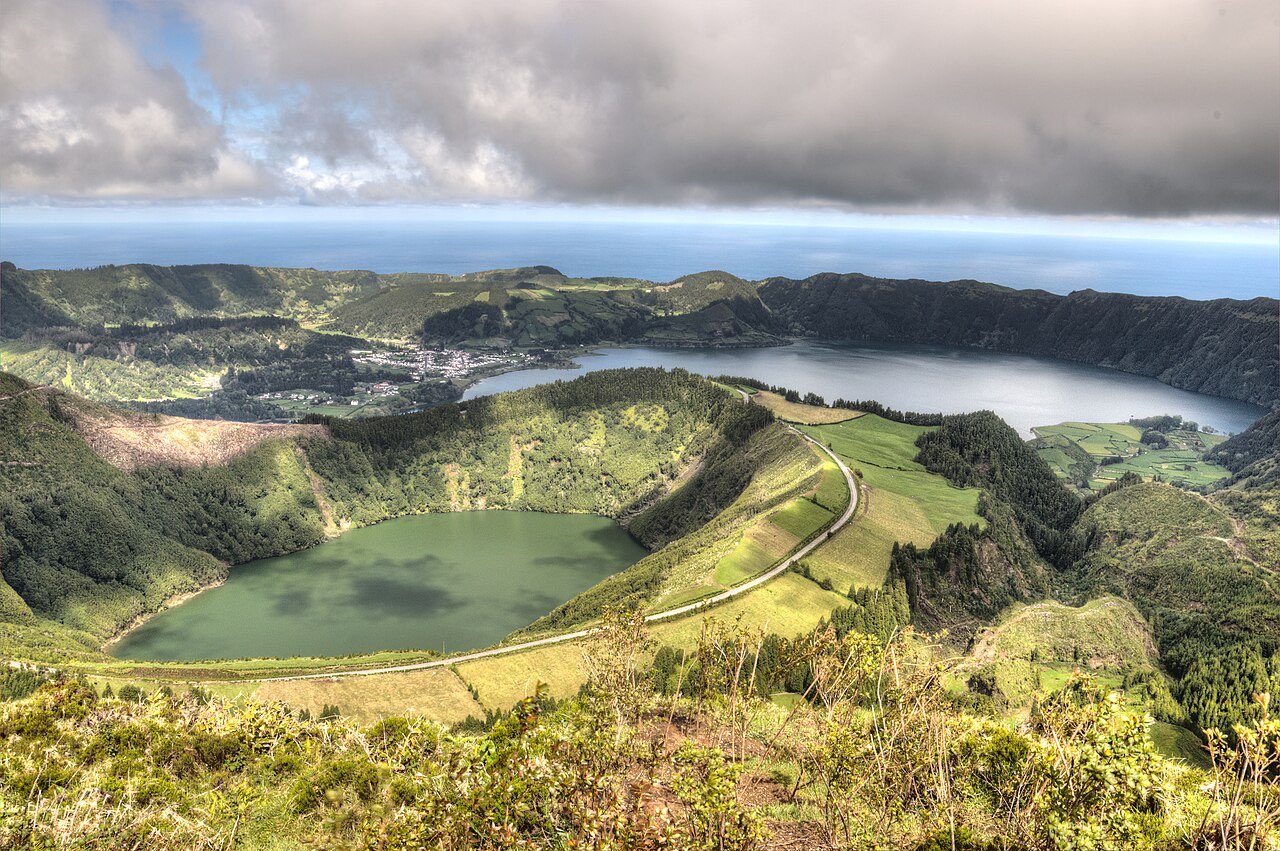
Leave early for the Vista do Rei and Boca do Inferno viewpoints over the Sete Cidades crater; the earlier you arrive, the better your chance of a clear view. Walk or paddle at the lakes, then drive to Ponta da Ferraria, where a hot spring warms a sea pool, best at low tide in calm weather. If the crater is in cloud, swap this day with Day 4.
Day 4: Furnas
Spend the whole day in Furnas. Arrive by late morning to see pots of cozido lifted out of the hot ground at the lake, eat it for lunch, walk the caldeiras, then soak in Parque Terra Nostra’s thermal pool (€17 as of November 2026, per the park’s visitor page, open 10:30 a.m. to 4:30 p.m.). Stop at the Gorreana tea plantation on the way if you have time. If you can, sleep in Furnas and finish with an evening at Poça da Dona Beija, which is open until 11 p.m. and sells tickets online only.
Our São Miguel guide has more on each of these, plus where to stay.
Days 5–7: Pico and Faial
Day 5: Fly to Pico
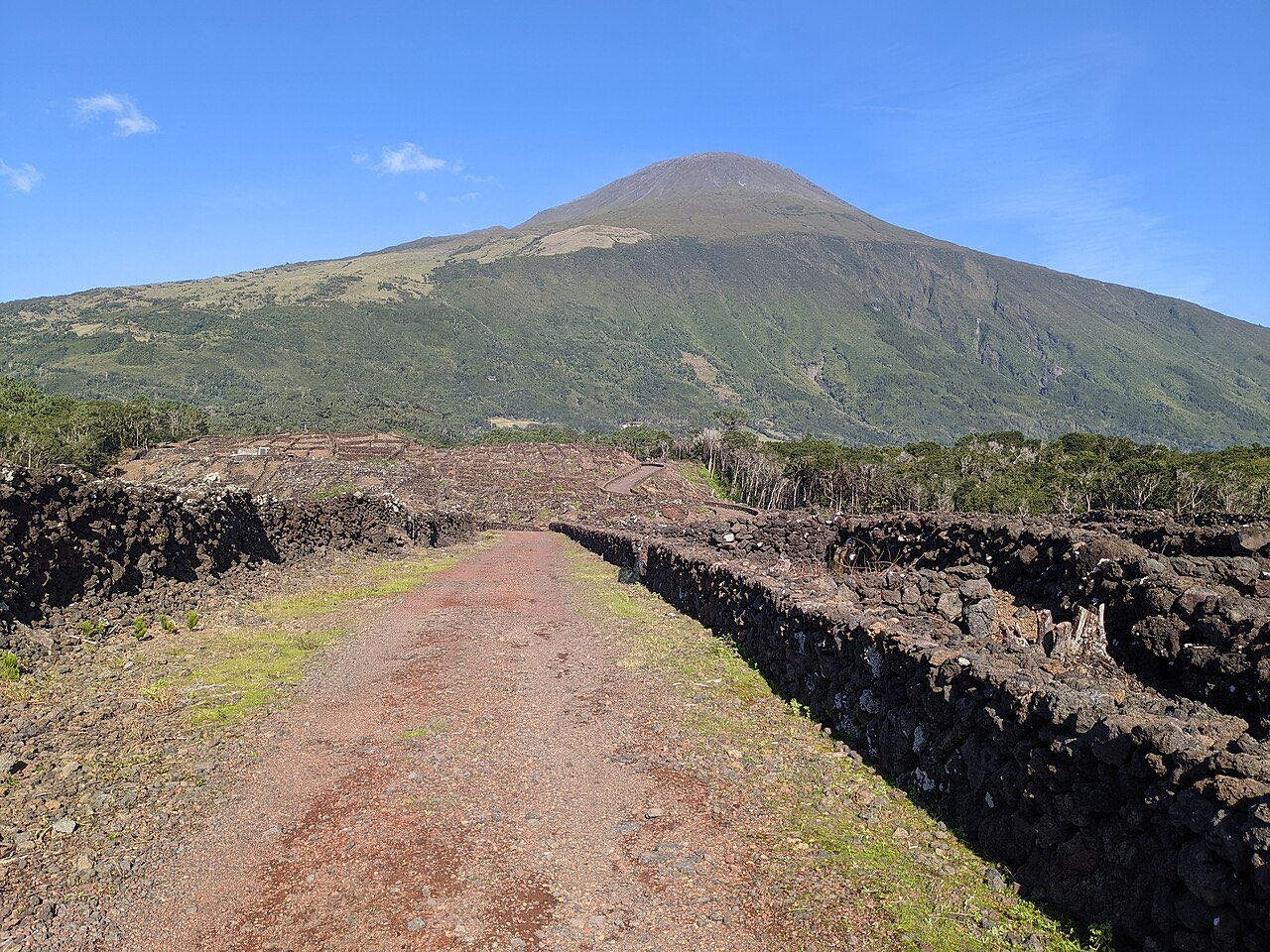
Fly from Ponta Delgada to Pico with SATA Air Açores (or to Horta on Faial and take the ferry over). Pick up a car and head for the vineyards. Pico’s vines grow inside small black lava-stone enclosures, and the landscape has been on UNESCO’s World Heritage list since 2004, as the Azores tourism board notes. In the afternoon drive to Lajes do Pico, the old whaling town on the south coast, for the whaling museum and the harbour.
Day 6: Mount Pico, or whales from Lajes
Use the better weather day of 5 and 6 for the mountain. At 2,351 m, Pico is the highest peak in Portugal. Every climber registers at the Casa da Montanha, run by the regional government, collects a GPS tracker and, if not an Azores resident, pays a fee that depends on how high you go. Check fees and book on the official Montanha do Pico site, set off early, and expect most of a day.
Not a climber? Spend the day on the water instead. Lajes do Pico is one of the best whale-watching bases in the archipelago, with lookouts on the cliffs guiding the boats. Our Azores whale watching guide compares it with Ponta Delgada.
Day 7: Ferry to Faial
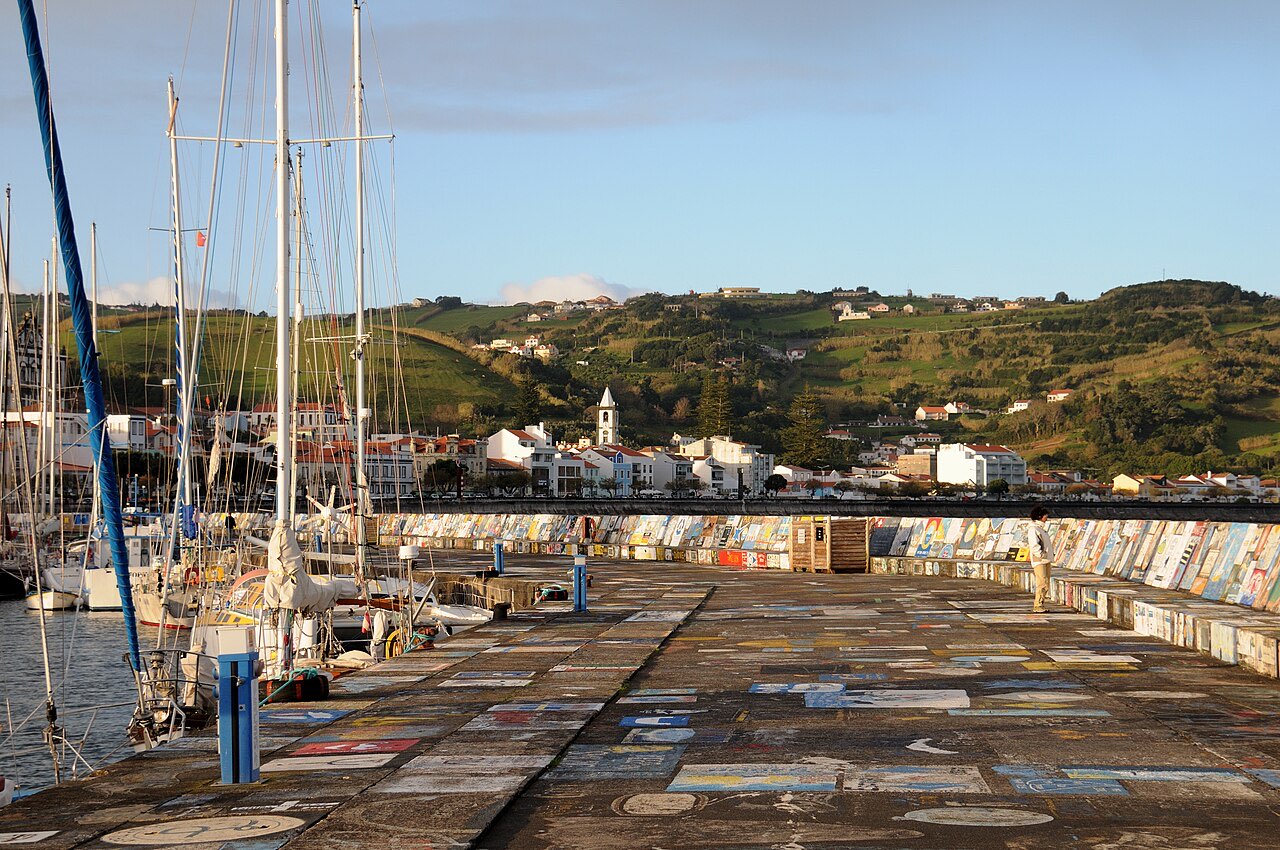
Take the morning Atlânticoline ferry from Madalena to Horta; the crossing takes about half an hour. Walk Horta’s marina, where visiting sailing crews paint their boats’ names on the harbour walls, then drive to Capelinhos at the western tip, where an eruption in 1957–58 buried the old lighthouse in ash and added new land. On the way back, look into the Caldeira, the island’s central crater, if the summit is clear.
From Horta you either fly home via a connection or fly back to Ponta Delgada. If you have a day 8, use it as a buffer.
Getting between the islands
| Leg | How | Time (approx.) | Book with |
|---|---|---|---|
| Ponta Delgada → Pico or Horta | Flight | Under an hour in the air | SATA Air Açores |
| Pico (Madalena) ↔ Faial (Horta) | Ferry | About 30 minutes | Atlânticoline |
| Pico or Faial → São Jorge | Ferry (seasonal schedule varies) | Longer; check timetable | Atlânticoline |
| Ponta Delgada → Terceira | Flight | Under an hour in the air | SATA Air Açores |
Flights. Azores Airlines / SATA runs the inter-island network. Schedules vary by season, and some routes do not fly every day. Book inter-island flights when you book your international ones, especially for summer.
Ferries. Atlânticoline, the regional ferry company, connects Pico, Faial and São Jorge, with seasonal sailings further afield. Its fare terms, as of November 2026, allow free changes online (or €1.50 at a ticket office) and give a full refund up to five days before travel and 85% after that. Ferries are cancelled in rough seas, and the company posts service notices on its homepage; in mid-November 2026 those included cancelled sailings and a vessel out of service until the end of the year. Check before you travel and have a backup.
Cars. Plan to rent a separate car on each island you stay on. If you want to take a rental across on the Pico–Faial ferry, ask the rental company first: many do not allow it, and Atlânticoline charges a separate vehicle fare.
Alternative: São Miguel plus Terceira
If you are not a hiker, travel in June, or want more flight options, swap Pico and Faial for Terceira:
- Day 5: Fly to Terceira; walk the UNESCO-listed old town of Angra do Heroísmo and climb Monte Brasil.
- Day 6: Algar do Carvão, an extinct volcanic vent you can walk down into (check opening days and status on the operators’ site, as it has had closures for works), the Gruta do Natal lava tube, and the painted villages of the interior.
- Day 7: Biscoitos lava-rock pools on the north coast and the wine museum, then fly out or back to Ponta Delgada.
Terceira’s festivals peak in June, and its Holy Spirit celebrations run through the summer.
Which version suits you?
| You want… | Choose |
|---|---|
| A mountain to climb and the best whale trips | São Miguel + Pico/Faial |
| History, towns and festivals | São Miguel + Terceira |
| Only one island, slowly | Seven days on São Miguel, with Nordeste and a long hike added |
| Remote and wild | Add Flores, but only with 10+ days |
Not sure? Our things to do in the Azores guide ranks the main activities by island.
Budget pointers
Prices change, so treat these as a planning frame and check current rates: rental cars cost the most in July and August and sell out; inter-island flights vary with demand; whale watching is about €70 per adult; Terra Nostra is €17; the Pico climb carries a non-resident fee. Shoulder months, May, June and September, give you the best balance of weather and price. Our best time to visit the Azores guide shows the month-by-month weather.
Mistakes to avoid
Packing in a third island. Each hop costs half a day, and one cancellation can wreck the plan.
Same-day connections home. Do not plan an inter-island flight on the same day as your international departure unless the airline sells it as one ticket. Even then, a spare day is safer.
Fixed days for weather-dependent sights. Keep Sete Cidades, Lagoa do Fogo, whale watching and the Pico climb flexible, and swap them with Furnas or Horta when it clouds over.
Not booking cars early. In summer, cars sell out on Pico and Faial as well as on São Miguel.
Climbing Pico without registering. Registration and the GPS tracker are mandatory.
Prices and terms in this itinerary are from operators’ and the regional government’s own pages, read in November 2026. Confirm schedules and fares before you book.
Frequently asked questions
Is 7 days enough for the Azores?
Seven days is enough for two islands done properly: four days on São Miguel and three on Pico and Faial, or on Terceira. Trying to see three or more islands in a week means spending much of it in airports and at ferry terminals, with no spare day if weather cancels a flight or boat.
Which second island should I add to São Miguel?
Pico and Faial together are the best second stop for most people: a mountain to climb, UNESCO-listed vineyards, whale watching from Lajes do Pico and the sailing town of Horta, with a short ferry between them. Choose Terceira instead for history and festivals, especially in June, and because it has more flights.
How do you get between the Azores islands?
By SATA Air Açores, the regional airline, which flies between all nine islands, typically under an hour in the air from Ponta Delgada to the central islands. Atlânticoline ferries link Pico, Faial and São Jorge, with a crossing of about half an hour between Horta and Madalena. There is no regular quick ferry from São Miguel to the central islands, so you fly that leg.
Should I book inter-island flights in advance?
Yes, especially from June to September, when flights between São Miguel and the central islands fill up. Book them when you book your international flights, and avoid connections on the same day as your flight home: weather delays are common.
Do I need a car on Pico and Faial?
A car is the easiest way to see either island. On Pico you need one to reach the Casa da Montanha for the climb and the vineyards; on Faial you can manage Horta on foot but need wheels for the caldeira and Capelinhos. Some visitors rent one car on Pico and use taxis or a tour for a day on Faial.
Book an activity
Booked through GetYourGuide. We earn a commission if you book, at no extra cost to you — it never changes which option we recommend. How we work
Keep planning
- Best Time to Visit the Azores: Weather Month by Month
Best time to visit the Azores: IPMA temperature and rainfall for every month, plus whale and hydrangea seasons, festivals and crowds.
Updated Nov 2026 - Things to Do in the Azores: Whales, Lakes, Hot Springs
Things to do in the Azores, ranked: whale watching, Sete Cidades, Furnas hot springs, Lagoa do Fogo and climbing Mount Pico, with costs and picks by island.
Updated Nov 2026 - Azores Whale Watching: Seasons, Species and Tour Tips
Azores whale watching explained: which whales you can see each month, what the regional rules allow, typical tour prices, and how to choose a boat and an island.
Updated Nov 2026