São Miguel Azores Guide: Where to Stay and What to See
In this guide
São Miguel is the largest and busiest of the nine Azores islands, and the one almost every visitor starts on. Stay in Ponta Delgada, rent a car, and give it four full days: one for Sete Cidades in the west, one for Lagoa do Fogo and the north coast, one for Furnas and its hot springs, and a half-day for whale watching. Add one or two days if you want to hike, see Nordeste, or keep a spare day for the cloud that regularly hides the crater lakes.
This guide covers where to stay, what each region offers, what the main sights cost as of November 2026, and how to plan the days. For the wider archipelago, see things to do in the Azores.
São Miguel at a glance
According to the regional tourism office’s official island map, São Miguel covers 744.6 km², runs 62 km from Ponta da Ferraria in the west to Ponta da Marquesa in the east, and is between 8 and 15 km wide. Its highest point is Pico da Vara at 1,105 m, in the east. Three large volcanic craters shape the island and its sightseeing: Sete Cidades in the west, Fogo in the middle, and Furnas in the east.
| Area | Main sights | Drive from Ponta Delgada | Time to allow |
|---|---|---|---|
| Ponta Delgada | City gates, churches, marina, whale watching, pineapple greenhouses | — | Half to full day |
| Sete Cidades (west) | Crater lakes, Vista do Rei and Boca do Inferno viewpoints, Ferraria hot-sea pool | About 30–40 min | Full day |
| Lagoa do Fogo and the north | Fogo crater lake, Caldeira Velha, Ribeira Grande, Gorreana tea | About 30–45 min | Full day |
| Furnas (east-centre) | Hot springs, Terra Nostra, lake fumaroles, cozido stew | About 45–60 min | Full day, or stay overnight |
| Nordeste (far east) | Viewpoints, waterfalls, Pico da Vara area | About 1–1.5 hours | Full day |
Drive times are rough guides: roads are good but winding, and the crater roads are slow.
Where to stay
Ponta Delgada: the default base
The island’s capital has the airport, the ferry and whale-watching marina, the most restaurants and the widest range of hotels and apartments. Because the island is small, every sight is a day trip from here. Stay within walking distance of the waterfront and the old centre so evenings do not need the car.
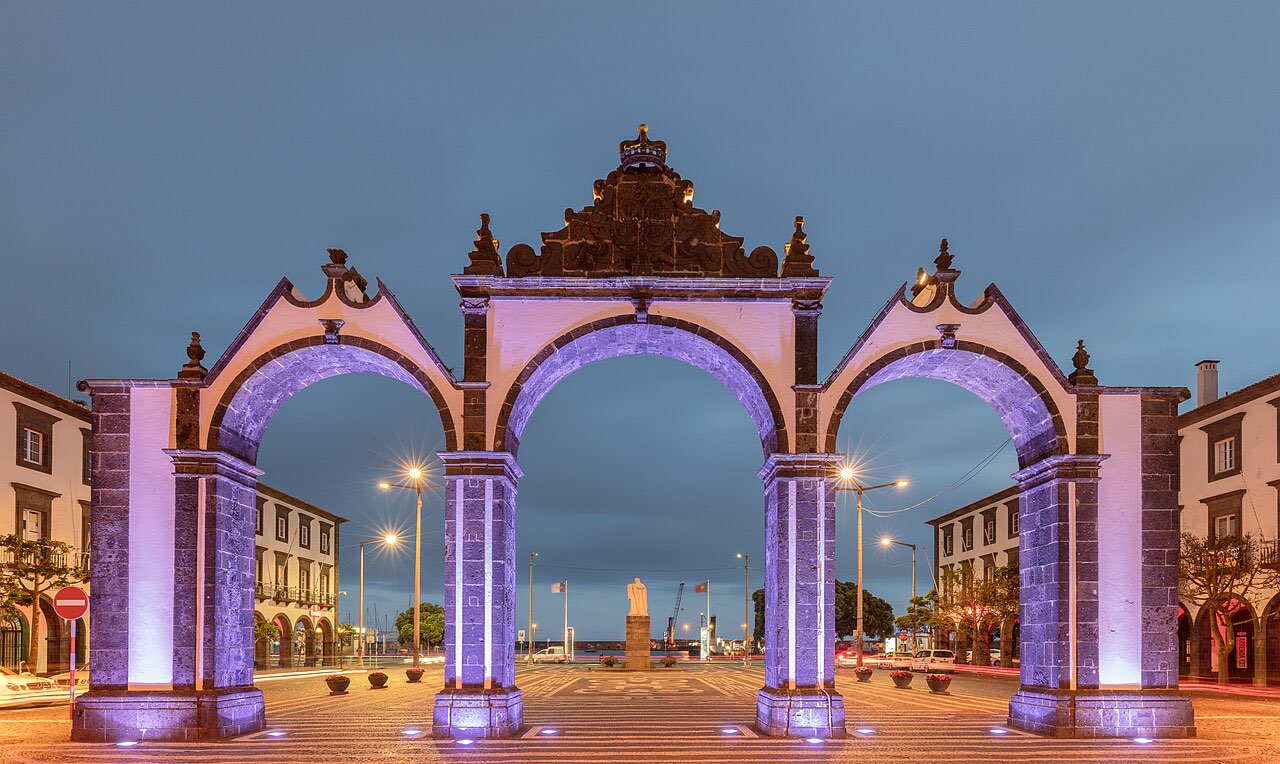
Best for: first visits, short stays, travellers without a car, whale watchers.
Furnas: hot springs on your doorstep
Furnas is a small spa village in a volcanic valley. Staying here means you can soak in the thermal pools in the evening after the day-trippers leave; Poça da Dona Beija stays open until 11 p.m. The trade-off is fewer restaurants and a longer drive to Sete Cidades.
Best for: couples, hot-spring lovers, a one- or two-night split stay.
The north coast: Ribeira Grande and around
The north coast is greener, wilder and quieter, with surf beaches at Santa Bárbara and easy access to Lagoa do Fogo, Caldeira Velha and the tea plantations. Ribeira Grande, the main town, is a short drive across the island from the airport.
Best for: surfers, longer stays, travellers who prefer countryside over a city.
Vila Franca do Campo and the south coast
The old capital, east of Ponta Delgada, sits between the city and Furnas, with a harbour, an islet you can visit by boat in summer, and a small-town feel.
Best for: families, travellers who want to split the difference between Ponta Delgada and Furnas.
What to see
Sete Cidades
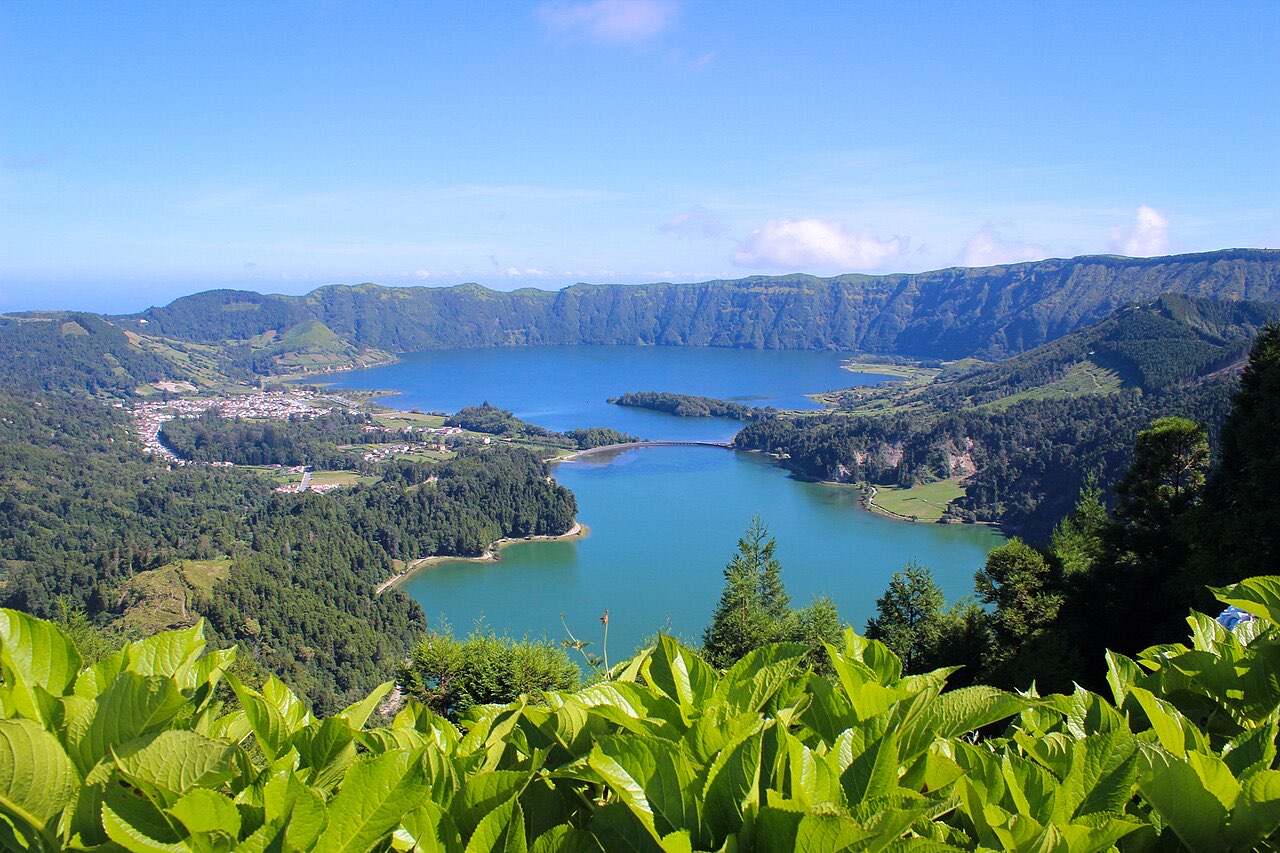
The postcard image of the Azores: a vast crater holding two connected lakes, one that often looks green and one blue, with a village on the shore. The classic views are from Vista do Rei on the southern rim and Boca do Inferno, a short walk from a car park on the crater road. You can drive down to the village, walk or cycle around the lakes, and rent a kayak or stand-up paddleboard (Futurismo lists one-hour rentals at Sete Cidades from €15 as of November 2026).
Nearby, Ponta da Ferraria on the west coast has a natural sea pool warmed by a hot spring, best at low tide and in calm seas.
The single most important tip: go when the crater is clear. Cloud often fills it, especially later in the day. Check a webcam or the sky before you drive up, and be ready to swap your day around.
Lagoa do Fogo
A crater lake at the island’s centre, surrounded by steep, untouched slopes. You see it from viewpoints on the road between Ribeira Grande and Lagoa, and you can hike down to the shore.
In summer, access changes. In 2025 the regional government restricted private cars on the road to the Lagoa do Fogo viewpoints from 15 June to 30 September, 9 a.m. to 7 p.m., and ran a hop-on, hop-off shuttle instead (in earlier years the fare for non-residents was €5; residents rode free). Check the Azores tourism office’s shuttle page for the current year’s dates, times and fare. Outside the restriction window you can drive up as normal.
On the way, Caldeira Velha is a short forest walk with warm pools under a waterfall. It charges admission and limits numbers at busy times, so check its current tickets and time slots before you go.
Furnas
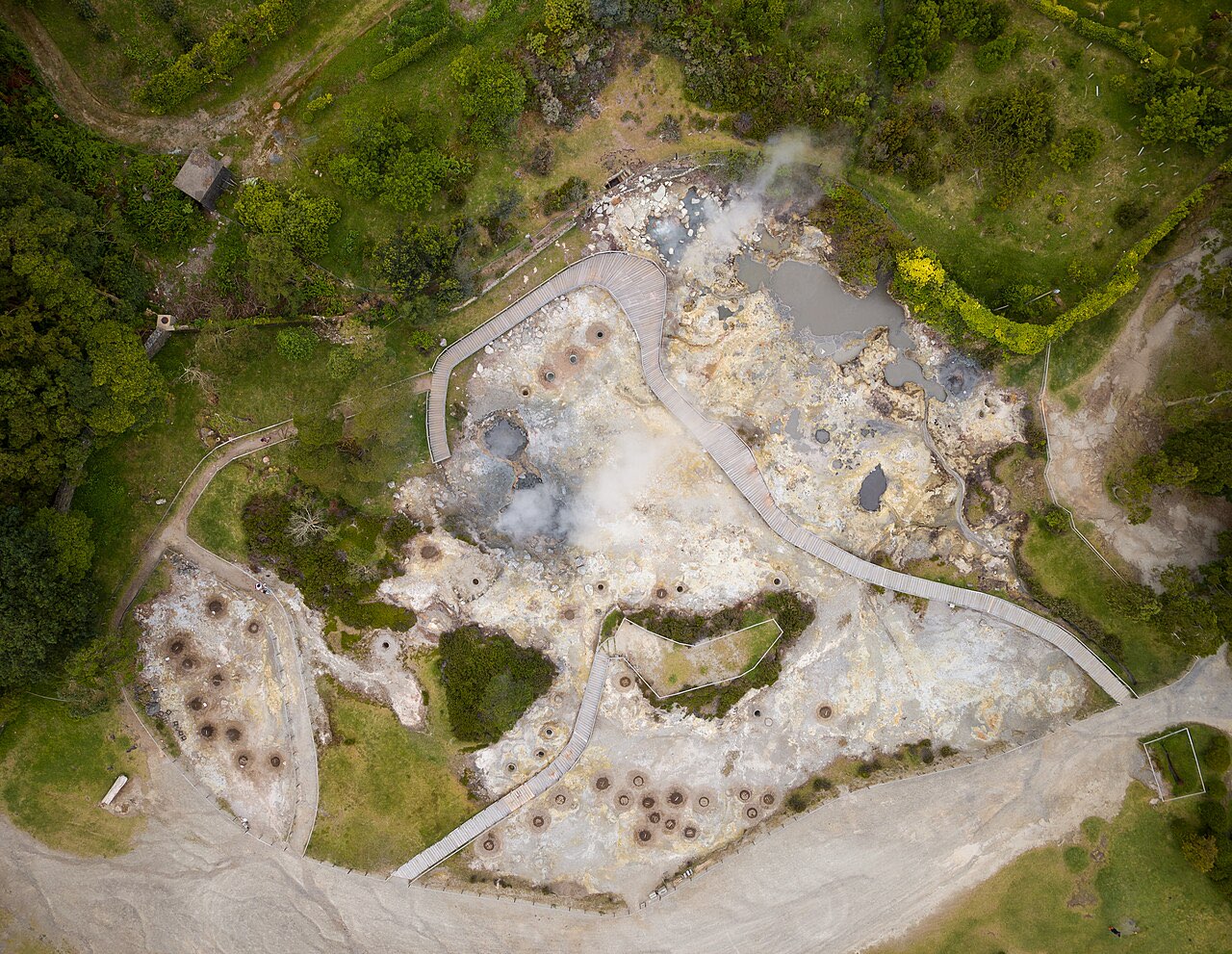
Furnas is where the volcano is most obviously alive. The village sits in a crater full of steaming fumaroles and hot springs, and the experience has four parts:
- Parque Terra Nostra. A historic botanical garden with a large thermal pool of orange, iron-rich water. As of November 2026, entry is €17 including VAT, pool and jacuzzis, and the park’s visitor information lists daily hours of 10:30 a.m. to 4:30 p.m. (closed 25 December). It recommends no more than 30 minutes in the water and warns that the water can stain clothing, so bring old dark swimwear.
- Poça da Dona Beija. A set of small, landscaped thermal pools at around 39 °C. It opens daily from 8:30 a.m. to 11 p.m., last entry 9:30 p.m., and sells tickets only online through its official booking site. Evenings are the atmospheric time.
- The caldeiras. Boiling mud pots and steaming vents in the village centre, and more on the north shore of Lake Furnas.
- Cozido das Furnas. A meat-and-vegetable stew cooked for hours in pots buried in the hot ground beside the lake. You can watch the pots come out late in the morning, then eat it at a restaurant in the village.
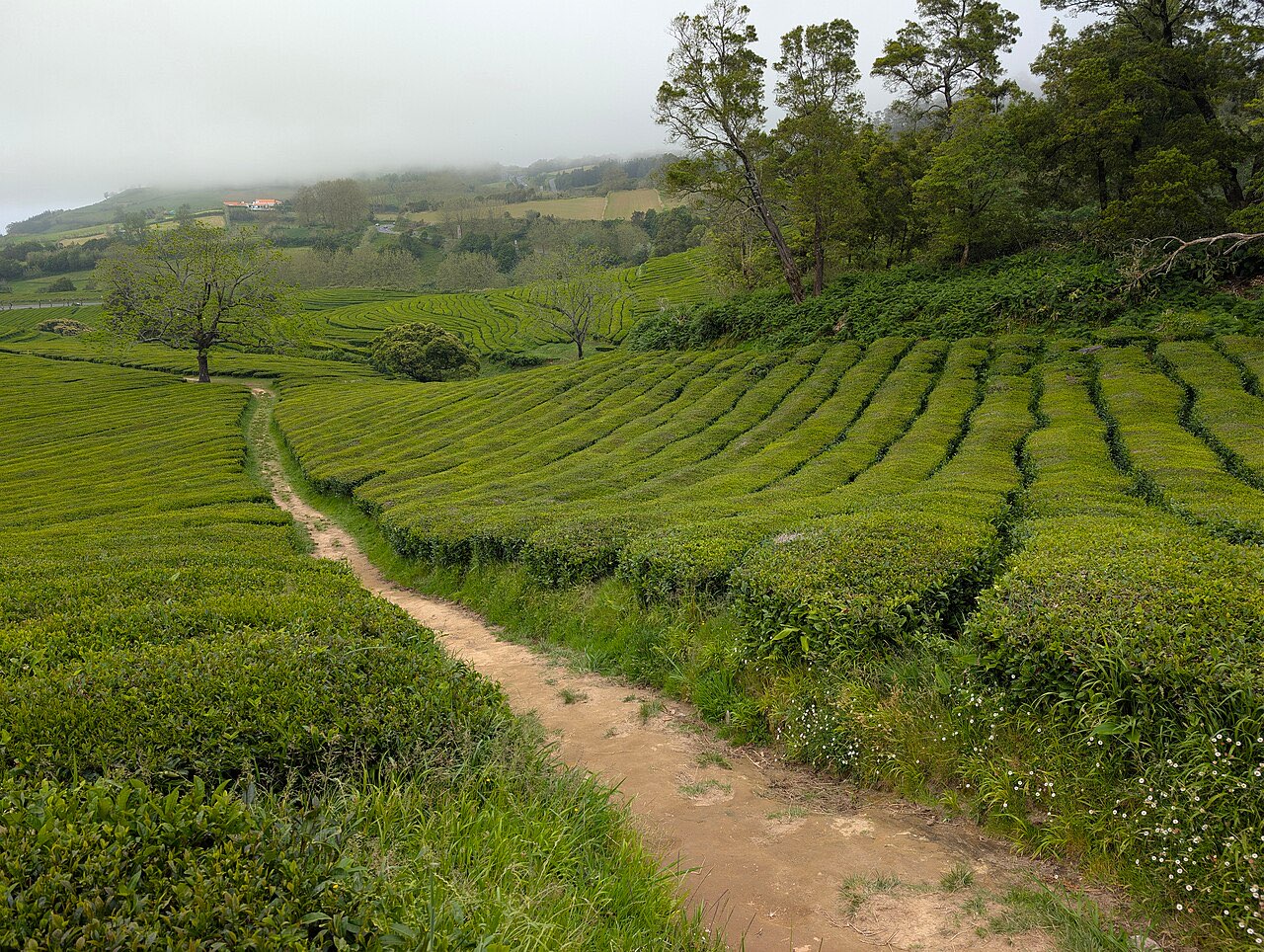
Tea on the north coast
São Miguel grows tea, which is unusual for Europe. Gorreana, on the north coast, describes itself as Europe’s oldest tea plantation and says it has produced tea since 1883. You can walk among the bushes, look into the factory and taste the teas. Porto Formoso, a smaller producer nearby, is an alternative.
Nordeste
The island’s far east is its least visited corner: steep green valleys, waterfalls and some of the best-kept viewpoints on the island, with picnic areas and flower beds maintained along the coast road. It is a long day from Ponta Delgada, so combine it with Furnas or stay a night in the east.
Whale watching from Ponta Delgada
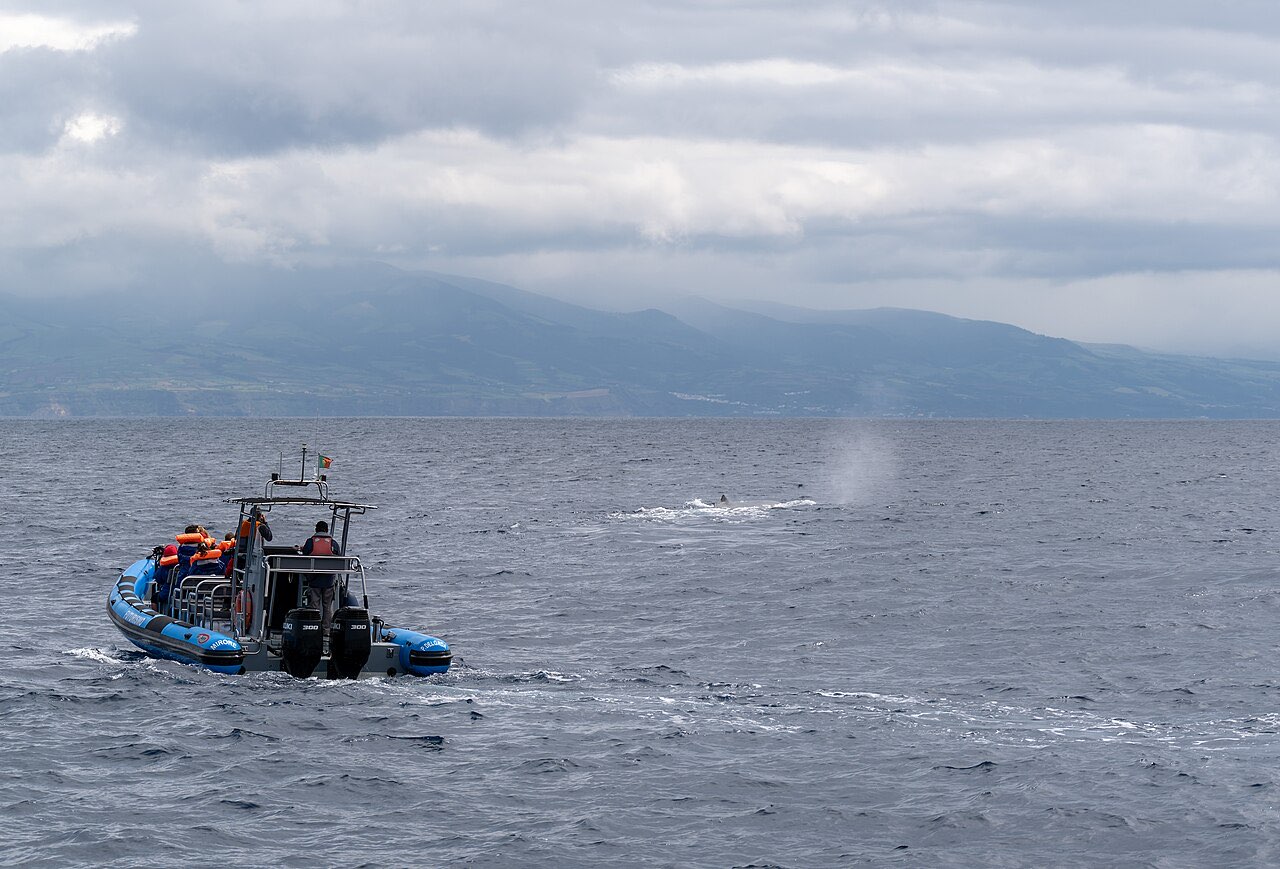
Boats leave from the city marina all year. As of November 2026 Futurismo lists its half-day trip at €70 per adult plus a €4.20 online fee. Book it for early in your stay so you have spare days if the sea is rough. Our Azores whale watching guide covers seasons, rules and how to choose a boat.
Hiking
São Miguel has dozens of marked trails, from short crater-rim walks to full-day routes. The official network, with maps, difficulty ratings and closure alerts, is on the regional Azores Trails site. Check it before you set out: trails close after landslides and storms.
A four-day plan
Day 1: Ponta Delgada and whale watching. Morning boat trip, afternoon in the old centre and on the waterfront.
Day 2: Sete Cidades and the west. Go early for Vista do Rei and Boca do Inferno while the crater is clear, walk or paddle at the lakes, then Ferraria at low tide.
Day 3: Lagoa do Fogo and the north coast. Fogo viewpoints (check the summer access rules), Caldeira Velha, lunch in Ribeira Grande, Gorreana in the afternoon.
Day 4: Furnas. Watch the cozido come out of the ground at the lake late morning, eat it for lunch, visit the caldeiras and Terra Nostra, and finish with an evening soak at Poça da Dona Beija.
Day 5 and 6 (optional): Nordeste, a long hike, a canyoning trip, or a weather buffer. If you are adding a second island, our 7-day Azores itinerary shows how São Miguel pairs with Pico and Faial.
Getting there and around
Ponta Delgada’s airport has direct flights from mainland Portugal and, seasonally, from several European and North American cities, plus SATA Air Açores flights to the other islands. The airport is a short drive from the city centre.
A rental car is the practical choice. Book early for summer, when cars sell out. Roads are paved and generally good; expect narrow village streets, steep crater roads, cows on rural lanes and fog at altitude. Parking at the most popular viewpoints fills by late morning in summer.
When to go
São Miguel is mild all year. IPMA’s normals for Ponta Delgada show average highs from about 17 °C in winter to about 26 °C in August, with December the wettest month and July the driest. June and September are the sweet spots. Our best time to visit the Azores guide has the full monthly table.
Mistakes to avoid
Driving to Sete Cidades in thick cloud. Have a plan B and come back when it clears.
Ignoring the summer rules at Lagoa do Fogo. Check the shuttle dates before you drive up.
Wearing light swimwear at Terra Nostra. The iron-rich water stains.
Trying to “do” Furnas in two hours. Give it a full day, or stay overnight.
Turning up at Poça da Dona Beija without a ticket. Tickets are sold online only.
Prices and hours here come from each attraction’s official site and the regional government, read in November 2026. Confirm before you go.
Frequently asked questions
Where is the best place to stay on São Miguel?
Ponta Delgada, for a first visit. It has the airport, most restaurants, whale-watching departures and the widest choice of rooms, and everything on the island is a day trip from it. Add a night or two in Furnas if hot springs are a priority, or stay on the north coast near Ribeira Grande for a quieter base close to Lagoa do Fogo and the tea plantations.
How many days do you need on São Miguel?
Four full days covers the essentials: Sete Cidades, Lagoa do Fogo, Furnas and a whale-watching trip. Five or six days lets you add Nordeste, a longer hike and a spare day for bad weather, which matters because cloud often hides the crater lakes.
Do you need a car on São Miguel?
It is strongly recommended. The island is 62 km long and the main sights are spread across it; buses exist but are infrequent for visitors' needs. Without a car, base yourself in Ponta Delgada and use day tours. Book rental cars early for July and August.
How much does Terra Nostra cost?
As of November 2026 Parque Terra Nostra in Furnas charges €17 per person (about US$20), including VAT and use of the thermal pool and jacuzzis. It is open daily from 10:30 a.m. to 4:30 p.m., closed on 25 December. The park recommends no more than 30 minutes in the pools, and the iron-rich water can stain light swimwear.
Can you drive to Lagoa do Fogo?
Outside summer, yes. In summer the regional government has restricted private cars on the road to the lake viewpoints and run a shuttle instead; in 2025 the restriction applied from 15 June to 30 September, 9 a.m. to 7 p.m. Check the regional tourism office's shuttle page for the current year before you go.
Book an activity
Booked through GetYourGuide. We earn a commission if you book, at no extra cost to you — it never changes which option we recommend. How we work
Keep planning
- Azores in 7 Days: São Miguel Plus One More Island
A 7-day Azores itinerary: four days on São Miguel plus Pico and Faial, with inter-island flights and ferries, a weather buffer and the mistakes to avoid.
Updated Nov 2026 - Azores Whale Watching: Seasons, Species and Tour Tips
Azores whale watching explained: which whales you can see each month, what the regional rules allow, typical tour prices, and how to choose a boat and an island.
Updated Nov 2026 - Best Time to Visit the Azores: Weather Month by Month
Best time to visit the Azores: IPMA temperature and rainfall for every month, plus whale and hydrangea seasons, festivals and crowds.
Updated Nov 2026